




Can an Old Sports Injury Cause Chronic Pain Years Later?

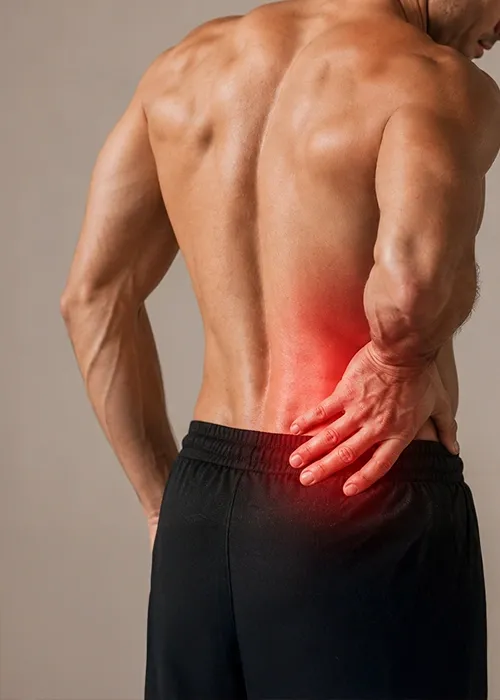
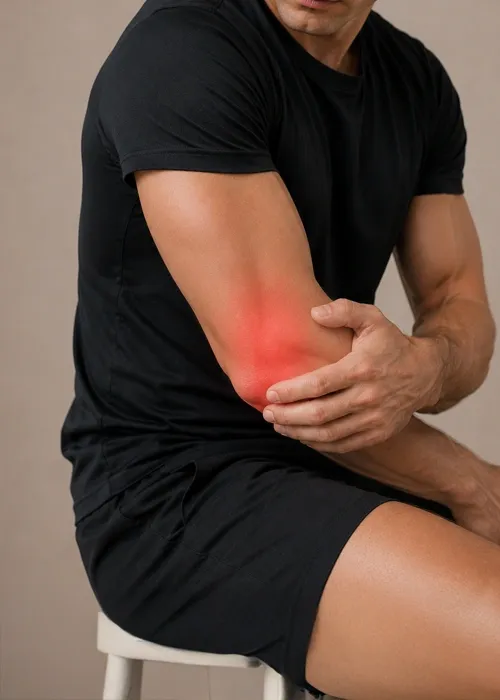
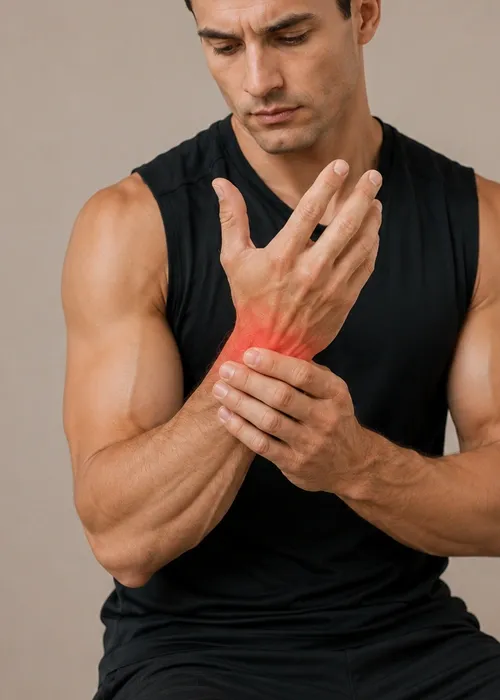
Old sports injuries do not always stay in the past. Even after the initial pain has subsided, some injuries can continue to affect how your body moves and functions over time. Years later, this can present as recurring discomfort, stiffness or chronic pain that seems to come "out of nowhere."
In many cases, this happens because the injury never fully healed, or the body adapted in ways that place extra strain on surrounding joints and muscles. Understanding the link between past injuries and current pain can help identify the underlying cause early and guide appropriate treatment for long-term relief.
Key Takeaways
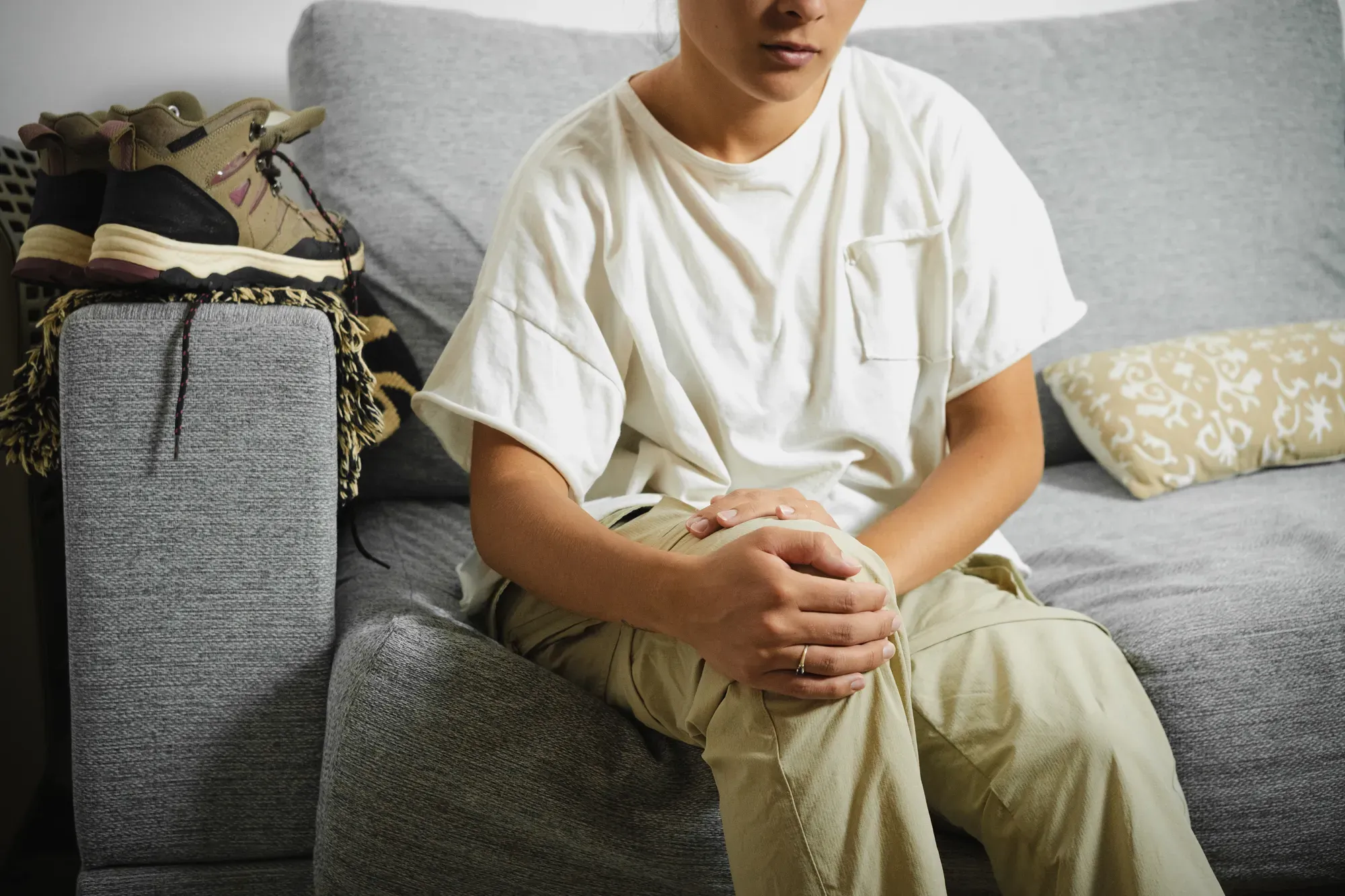
- Old sports injuries can lead to chronic pain, even years after the initial event
- Common causes include incomplete healing, joint instability, and long-term wear and tear
- Symptoms often include recurring pain, stiffness, reduced mobility, and joint weakness
- Certain injuries (e.g. ligament tears, meniscus injuries, fractures) have a higher risk of long-term effects
- Early assessment and targeted treatment can improve function and reduce pain
Why Old Sports Injuries Can Lead to Chronic Pain
Old sports injuries can cause chronic pain when the affected area does not heal properly or continues to be placed under stress over time. Even if symptoms improve initially, underlying issues may persist. Some common reasons include:
Incomplete Healing
If an injury is not fully treated or rehabilitated, the affected tissues may remain weak and prone to irritation.
Scar Tissue Formation
Scar tissue can reduce flexibility and restrict normal movement, leading to stiffness and discomfort.
Joint Instability or Misalignment
Damage to ligaments or supporting structures can affect joint mechanics and place uneven stress on surrounding tissues.
Early Wear and Tear (Degeneration)
Injuries involving cartilage or joint surfaces can accelerate degeneration, increasing the risk of conditions such as ankle arthritis or chronic knee pain.
Compensation by Other Muscles and Joints
The body may adapt by changing movement patterns, which can overload other areas and lead to secondary problems such as plantar fasciitis or nearby joint pain.
Common Old Injuries That Cause Long-Term Pain
Some old sports injuries are more likely to cause chronic pain years later, especially if they affect joints, ligaments or tendons and were not fully rehabilitated. These include:
Ligament injuries
Anterior cruciate ligament (ACL) tears or ankle sprains can lead to long-term instability and recurring pain.
Meniscus tears
A meniscus tear, or damage to the knee's cartilage, can cause ongoing pain, stiffness, or locking.
Muscle strains or tears
Severe or repeated injuries may result in persistent tightness, weakness, or reduced flexibility.
Fractures involving joints
Previous fractures can affect alignment and increase long-term joint stress.
Shoulder dislocations or instability
Past dislocations can lead to chronic instability and repeated injury.
Tendon injuries
Conditions affecting the Achilles tendon or rotator cuff may cause persistent pain if healing is incomplete.
Signs Your Old Injury May Be Causing Chronic Pain
Symptoms from old injuries may develop gradually or appear long after the initial event.
Common signs include:
- Recurring pain during movement
- Stiffness or reduced range of motion
- Weakness or instability in the joint
- Clicking or grinding sensations
- Pain spreading to nearby areas
If these symptoms persist or worsen, they may indicate that the underlying issue has not fully resolved.
What You Can Do About Chronic Pain from Old Injuries
Treatment typically focuses on restoring strength, mobility and stability. This may include:
- Physiotherapy to improve strength, mobility, and movement patterns
- Activity modification to reduce strain while maintaining function
- Medications or injections to manage pain and inflammation
- Surgical intervention in cases of significant structural damage or persistent symptoms
A proper assessment, including physical examination and imaging if needed, is essential to guide treatment.
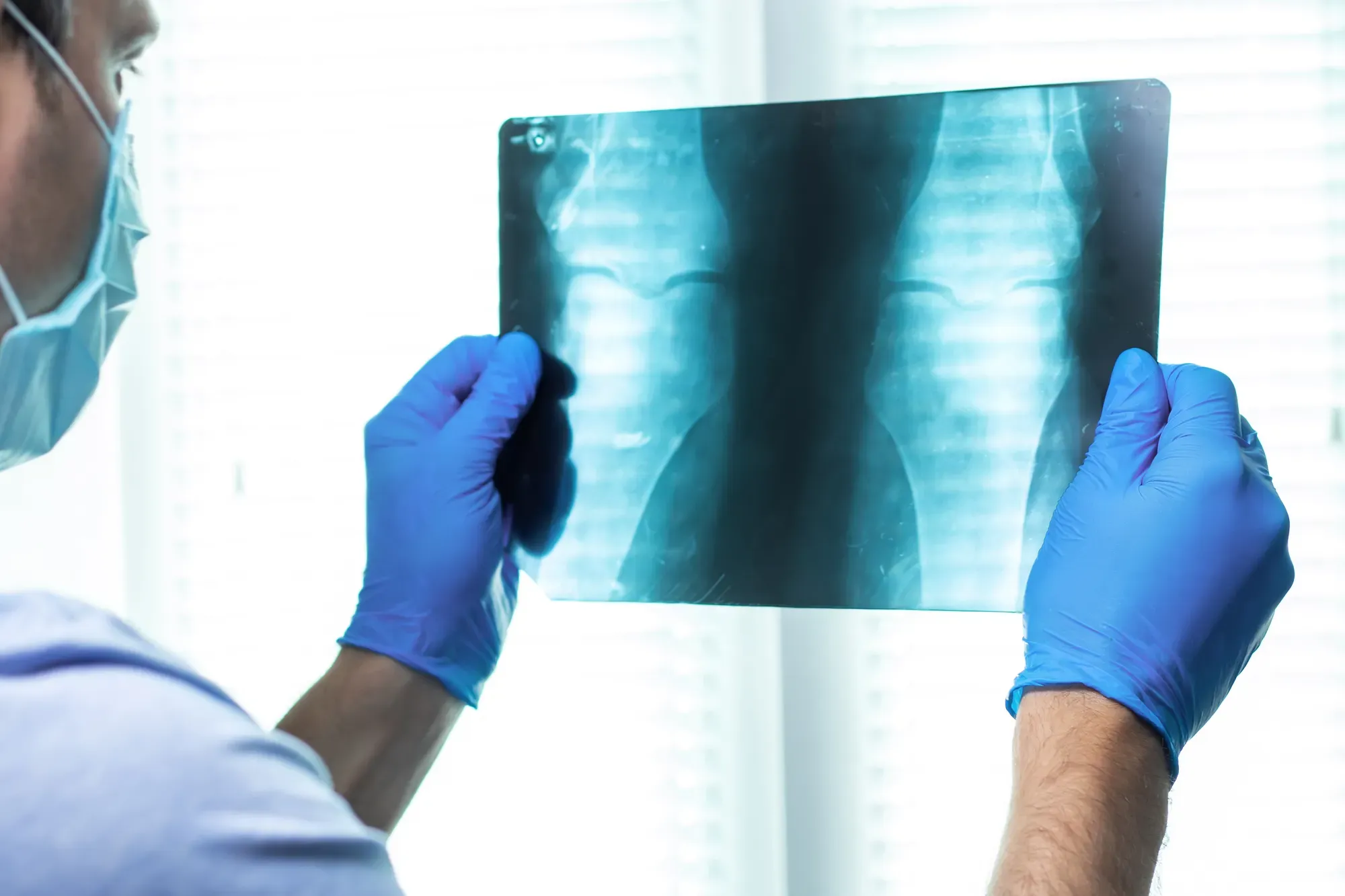
Early Specialist Care Matters for Old Sports Injuries
Old sports injuries can continue to affect your body long after the initial event, especially if they were not fully treated or rehabilitated. Recognising the signs early and seeking appropriate care can help prevent worsening symptoms and long-term complications. With the right treatment and support, it is possible to manage symptoms effectively and return to an active, comfortable lifestyle.
Axis Orthopaedic Centre specialises in managing sports-related injuries and their long-term effects on joint health. Dr Seng Chusheng brings extensive clinical experience and international training from the Assal Centre in Geneva, one of Switzerland's leading institutions for foot and ankle surgery. If an old injury is causing persistent discomfort, schedule a consultation with our specialist to help identify the cause and guide effective treatment.
FAQs About Old Sports Injuries
How do I know if my pain is from an old injury or a new problem?
Are injections effective for chronic pain from old injuries?
Can imaging still detect problems from an old injury?
Is it possible to fully reverse damage from an old sports injury?
How often should I monitor or reassess an old injury?

Dr Seng Chusheng
Senior Consultant Orthopaedic Surgeon (Sports & Exercise Medicine)
MBBS (Singapore), MRCS (Edinburgh), MMed (Orth), FRCS (Edinburgh)
Dr Seng Chusheng is a consultant orthopaedic surgeon with a clinical focus on foot and ankle surgery as well as knee surgery. He obtained his MBBS and Master of Medicine in Orthopaedic Surgery from the National University of Singapore and is a Fellow of the Royal College of Surgeons of Edinburgh.
He completed advanced training at the Assal Centre in Geneva, Switzerland, with emphasis on complex foot and ankle deformities, trauma and minimally invasive techniques. Prior to private practice, Dr Seng served as a consultant orthopaedic surgeon at Singapore General Hospital and continues to practise there as a visiting consultant. He is also involved in orthopaedic research, with publications in peer-reviewed journals and has received the Japanese Orthopaedic Association Travelling Fellowship.



Our Orthopaedic Clinic Locations
With three conveniently located clinics across Singapore, Dr Seng provides accessible and comprehensive orthopaedic care closer to where you live and work. Each location is equipped to deliver accurate diagnosis, treatment, and rehabilitation for a wide range of musculoskeletal conditions.
Medical Centre
#06-33
Singapore 329563
Medical Centre
#04-08
Singapore 427989
Medical Centre A
#03-08
Singapore 574623
Teleconsult Available
For foreign patients, a tele-consult on Zoom or WhatsApp can be done if pre-arranged in advance. Please email or WhatsApp first to enquire.
Opening Hours
Contact Details