




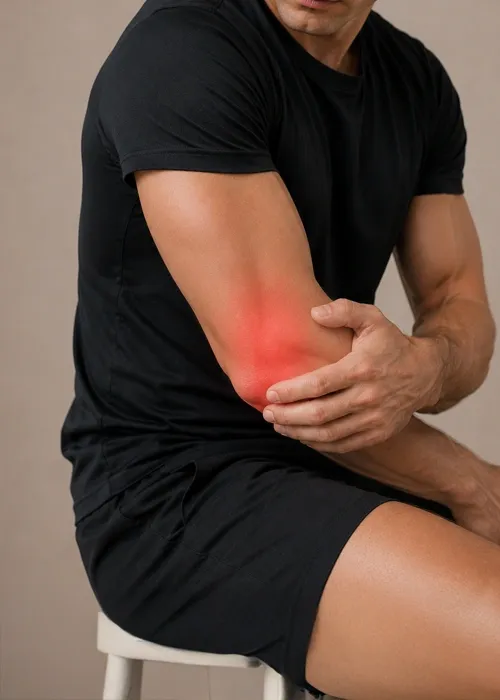


Meniscus Tear Treatment in Singapore

A meniscus tear is a knee injury that can interfere with normal joint movement and comfort. Depending on its severity, it may affect bending, straightening, or weight-bearing through the knee, particularly during everyday activities. Read more below:
A meniscus tear is a common knee injury that can occur during activities that involve twisting, pivoting, or heavy lifting. Athletes, particularly those in contact sports or activities that place stress on the knees, are at greater risk of developing this injury.
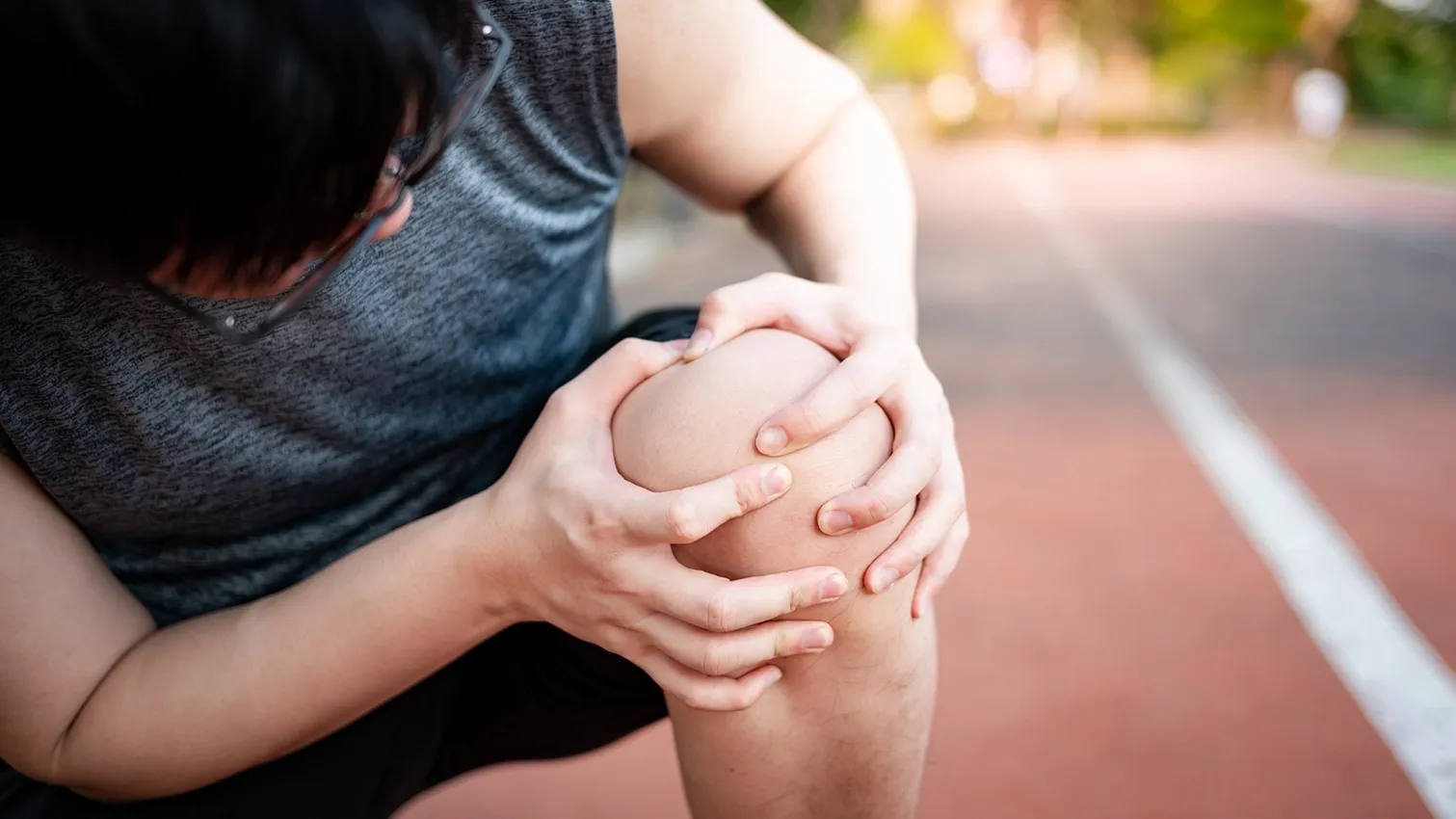
What Is a Meniscus Tear?
The meniscus is a shock-absorbing cartilage that provides stability and support to the knee. There are two menisci in each knee – one on the inside of the knee (medial) and the other on the outside (lateral).
A meniscus tear usually happens due to sudden twisting or rotation of the knee, particularly during sports activities. A torn meniscus can range from a small, minor tear to a larger, complex tear that significantly impacts knee function.
Types of Meniscus Tears
Partial Meniscus Tear
A small tear, caused by sudden knee twists or overextension, that often heals with rest and non-surgical treatment.
Complex Meniscus Tear
Multiple tears in different directions, usually from high-impact sports, which may require surgery.
Degenerative Meniscus Tear
A tear that occurs due to wear and tear, often seen in older individuals due to weakened cartilage.
Discoid Meniscus
A congenital condition where the meniscus is abnormally shaped, making it prone to tearing during routine movement.
What Are the Symptoms of a Meniscus Tear?
A torn meniscus can cause a range of symptoms, and these can vary depending on the severity of the tear:
Pain in the Knee
Especially when twisting or rotating the knee.
Swelling
Usually appears within two to three days of the injury.
Stiffness
Difficulty in straightening or bending the knee fully.
Locking
The knee may get stuck or locked in a certain position.
Instability
Feeling like the knee is giving way when putting weight on it.
If these symptoms persist, it is important to consult a specialist, as untreated meniscus tears can lead to long-term knee damage.
How Is a Meniscus Tear Diagnosed?
Diagnosis often begins with a physical examination to check for discomfort, tenderness, and range of motion of the knee joint. Your doctor may then order additional diagnostic tests such as:
MRI (Magnetic Resonance Imaging)
An MRI provides detailed images of soft tissues and can show the extent of the meniscus tear.
X-rays
While X-rays do not show the meniscus itself, they can help rule out other issues like fractures or osteoarthritis.
Arthroscopy
In some cases, an arthroscopic examination may be used to view the knee joint directly and confirm the diagnosis.
How Are Meniscus Tears Treated?
Treatment options depend on the type, size, and location of the tear, as well as the patient's age, activity level, and overall knee condition.
Non-Surgical Treatments
Rest, Ice, Compression, and Elevation (RICE)
To reduce swelling for minor tears, rest the knee, apply ice or cold pack, use an elastic compression bandage, and, when lying down during rest, elevate the knee above the heart.Pain Relief Medications
Painkillers or nonsteroidal anti-inflammatory drugs (NSAIDs) may be recommended to reduce pain and swelling.Corticosteroid Injections
Corticosteroids may be injected into the knee to reduce swelling and discomfort; sometimes, this provides long-lasting relief.Physiotherapy
Exercises to strengthen the muscles around the knee can help alleviate symptoms and support recovery.
If non-surgical treatments are unsuccessful or the tear is severe, surgical intervention may be necessary.
Meniscus Surgery in Singapore
Knee arthroscopy is a minimally invasive surgical technique used to treat meniscus tears. A small camera (arthroscope) is inserted through a tiny incision in the knee, allowing the orthopaedic doctor to see inside the joint. Surgical instruments are then introduced through other small incisions to either trim or repair the damaged meniscus.
Partial Meniscectomy
Meniscal Repair
Meniscal Transplant
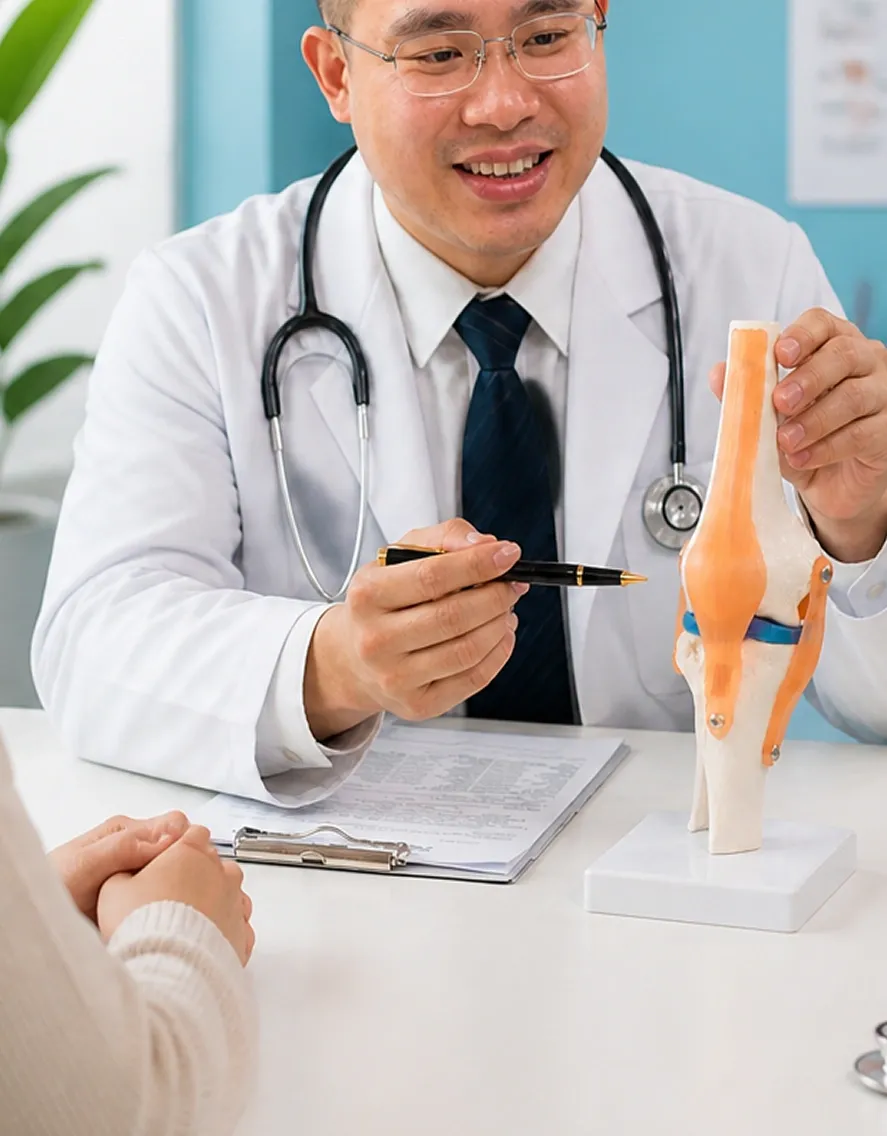
How Long Does It Take to Recover After Meniscus Surgery?
Recovery time depends on the severity of the injury and treatment method:
Partial Meniscectomy:
Full recovery and knee function typically return within 3-6 weeks.
Meniscal Repair:
Most knee function returns in 2-3 months while full recovery can take up to six months.
Meniscal Transplant
Daily activities typically resume in 2-3 months, while returning to sports can take 6 months to a year.
It is important to follow your doctor's recovery plan closely to avoid complications or further injury.
Take the first step towards lasting relief for your knees. If you suspect a meniscus tear, schedule your consultation with Dr Seng today at 9711 8888 for a thorough diagnosis and to discuss your treatment options.
FAQs About Meniscus Tears
Can a meniscus tear heal on its own?
What happens if a meniscus tear is left untreated?
How can I prevent meniscus tears?
Can I return to sports after a meniscus tear?
About Dr Seng Chusheng

Dr Seng Chusheng
About Dr Seng Chusheng
Dr Seng Chusheng is a consultant orthopaedic surgeon at Axis Orthopaedic Centre, specialising in foot and ankle surgery. His expertise includes minimally invasive bunion correction, complex foot and ankle fracture fixation, keyhole ligament reconstruction and cartilage repair. Over the course of his career, he has performed more than a thousand surgeries and manages a broad range of conditions, including general orthopaedic trauma and sport-related knee injuries.
Dr Seng received advanced fellowship training at the Assal Centre in Geneva, Switzerland, focusing on complex deformities, trauma and minimally invasive techniques. Before entering private practice, he served as a consultant orthopaedic surgeon at Singapore General Hospital and continues as a visiting consultant. His dedication to patient care has been recognised with the SingHealth Service With A Heart Award. Actively involved in research and education, Dr Seng regularly presents at local and international conferences and has published extensively in peer-reviewed journals, reflecting his commitment to advancing orthopaedic practice.



Our Orthopaedic Clinic Locations
With three conveniently located clinics across Singapore, Dr Seng provides accessible and comprehensive orthopaedic care closer to where you live and work. Each location is equipped to deliver accurate diagnosis, treatment, and rehabilitation for a wide range of musculoskeletal conditions.
Medical Centre
#06-33
Singapore 329563
Medical Centre
#04-08
Singapore 427989
Medical Centre A
#03-08
Singapore 574623
Teleconsult Available
For foreign patients, a tele-consult on Zoom or WhatsApp can be done if pre-arranged in advance. Please email or WhatsApp first to enquire.
Opening Hours
Contact Details