


ACL Reconstruction Surgery in Singapore
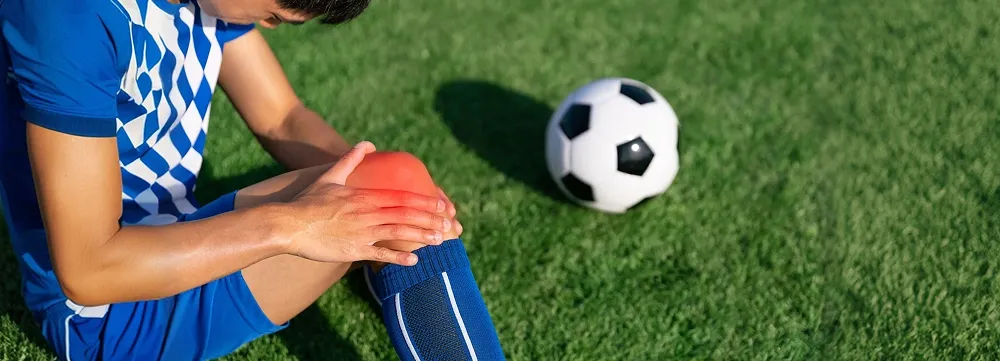
An anterior cruciate ligament (ACL) injury involves damage to one of the key stabilising ligaments of the knee. The ACL plays a central role in controlling knee movement, particularly during pivoting and directional changes. Read more below:
Anterior Cruciate Ligament (ACL) Injury and Reconstruction
Injuries of the Anterior Cruciate Ligament (ACL) can beset both the professional and recreational athlete. Dr Seng has managed ACL injuries in all types of patients. This article aims to assist patients in understanding the condition and the treatment options available to them.
What is an ACL tear?
ACL stands for Anterior Cruciate Ligament. It is one of the main knee ligaments (rope like structure) in the knee.
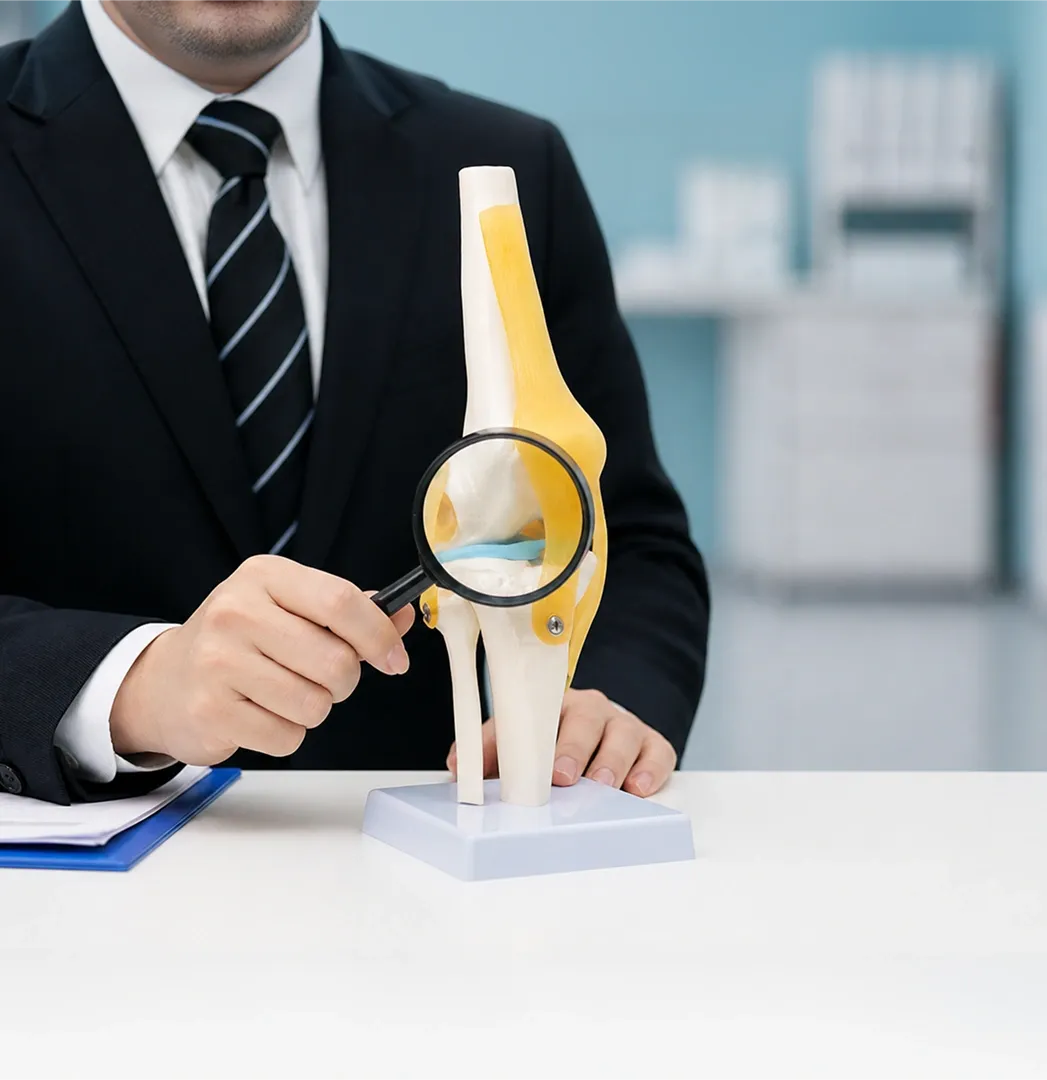
The ACL runs diagonally in the middle of the knee and attaches the thigh bone (femur) to the shin bone (tibia). It stops the shin bone from sliding forward and rotating excessively. The ACL crosses with the Posterior cruciate ligament (PCL) to form an X within the knee joint, and together, they control the front and back motion of the knee.
The ACL is injured far more commonly compared to the PCL. Injuries can happen when there is a pivoting injury, for instance, when athletes change direction rapidly, stop suddenly, or land from a jump incorrectly. Injuries can also happen when there is direct impact on the outer part of the knee, for example, in a football tackle.
Athletes who tear their ACL often feel a ‘pop’ and their knee may swell suddenly (due to bleeding from the torn ligament). There may be a sharp pain in the knee that limits their ability to continue playing or walk. When the knee swelling eventually subsides, the affected knee may feel unstable when the athlete returns to sports. The athlete is at risk of suffering another ACL injury as well as other serious injuries to the knee, such as meniscus and cartilage injuries.
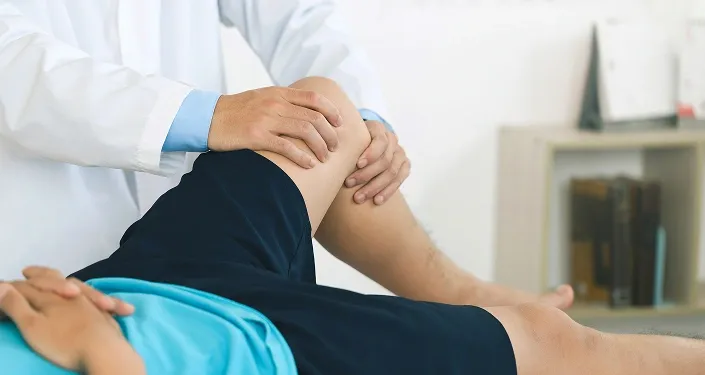
When you visit Dr Seng, he will usually ask you about the mechanism of the knee injury. Some clues on physical examination may reveal the presence of an ACL injury. These include knee swelling, inability to straighten the knee fully, and the presence of instability on provocative tests. An MRI (magnetic resonance imaging) scan can be arranged to confirm an ACL tear and other associated injuries.
Can a torn ACL be managed without surgery?
Yes, athletes with ACL injuries are encouraged to undergo physical therapy and rehabilitation to strengthen their calf muscles, hamstrings and quadriceps. These increases the range of movement, proprioception and stability of the knee joint. They may be able to return to recreational sports if they only have a partial ACL tear and minimal instability, and consciously avoid jumping, pivoting and cutting movements.
When is ACL surgery recommended?
ACL tears are not usually repaired stitching because repaired ACLs generally do not have good success rates over time. Therefore, the torn ACL is generally replaced by a substitute graft made of tendon, which may be either come from the patient’s patellar, hamstring, or quadriceps tendon or in the form of allografts from a tissue donor.
ACL reconstruction is recommended in the following patient groups:
- Athletes who desire full range of movement, and return to active sports
- High grade tears of the ACL with clinical and functional instability
- ACL injury with concomitant injuries of the menisci, cartilage and other ligaments of the knee (medial, lateral, or posterior cruciate )
What are the different types of ACL reconstruction surgeries available?
The goal of ACL reconstruction is to anatomically reconstruct ligament to restore forward-backward and rotational stability. The substitute tendon graft may come either from the patient’s own tendon (autograft) or from a tissue donor (allograft).
- Hamstring tendon autograft.The hamstring tendon autograft uses both the semitendinosus hamstring tendon and the gracilis tendon on the inner side of the knee. This creates a four- or six-strand tendon graft. Advantages of the hamstring graft include less kneecap pain after surgery, less postoperative stiffness and smaller incision. Drawbacks include decreased hamstring strength after surgery and stretching of the graft over time.
- Patellar tendon autograft.A patellar tendon autograft is made up of the middle third of the patient's patellar tendon, along with a bone plug from the shin and the kneecap. Potential drawbacks are significant postoperative pain behind kneecap, pain on kneeling, risk of patella fracture or patella tendon rupture.
- Allografts.Grafts taken from human donors are safe and sterilised to minimise the risk of disease transmission from donor to recipient. Advantages of using allograft tissue include faster recovery from surgery as there is no additional incision or pain from the harvesting of the graft from the patient and shorter surgery time. Allografts may not be so suitable for young, active patients as they may have a higher failure rate.
ACL reconstruction can be done arthroscopically. This involves making two small incisions over the knee joint, and an additional third incision over the shin bone to pass the graft into the joint. First, the surgeon will use a small camera attached at the end of the arthroscope to inspect the knee joint from within, and confirm the presence of any damaged menisci, cartilage and ligaments. Then the torn ACL stump is trimmed away. Bony tunnels will then be drilled into the shin bone (tibia) and the thigh bone (femur) so that the ACL graft can be inserted in an anatomical position. Once the graft is placed into the knee, it is cycled to pre-condition the graft, and finally held under tension and fixed in place with biocomposite (non-metallic) screws and titanium buttons. The skin incisions are then closed, and dressings are applied over them.
In children whose growth plates in the thigh or shin bones have not closed, traditional methods of drilling the tibia and femur may lead to growth disturbances due to disruption of the growth plates. Hence, a different technique is required to introduce the graft into the joint.
What is the recovery process like after an ACL reconstruction surgery?
The surgery is usually done under general anaesthesia , so the patient will be asleep during the procedure. Analgesia will be given while the patient is asleep to alleviate the pain upon waking from anaesthesia. These include a combination of opioids, non-steroidal anti-inflammatory drugs (NSAIDs), paracetamol and nerve blocks.
After surgery, the patient will be able to commence rehabilitative exercises with the physiotherapist on the same day of surgery. Intermittent icing of the knee joint also helps reduce the pain and swelling after surgery. The patient may need to use crutches to move about for the first 4-6 weeks after surgery to reduce weight-bearing on the operated leg. The knee may also be braced to limit the range of movement, especially when there is concomitant cartilage and meniscus repair.
In general, full return to sports may take 9 months. Earlier return to active sports may increase the risk of rupture, and hence should only be undertaken after clearance by the surgeon.
Many famous professional athletes who have suffered an ACL tear have been able to resume their careers successfully after an ACL reconstruction. With the right treatment so can you!
About Dr Seng Chusheng
Dr Seng Chusheng
About Dr Seng Chusheng
Dr Seng Chusheng is a consultant orthopaedic surgeon at Axis Orthopaedic Centre, specialising in foot and ankle surgery. His expertise includes minimally invasive bunion correction, complex foot and ankle fracture fixation, keyhole ligament reconstruction and cartilage repair. Over the course of his career, he has performed more than a thousand surgeries and manages a broad range of conditions, including general orthopaedic trauma and sport-related knee injuries.
Dr Seng received advanced fellowship training at the Assal Centre in Geneva, Switzerland, focusing on complex deformities, trauma and minimally invasive techniques. Before entering private practice, he served as a consultant orthopaedic surgeon at Singapore General Hospital and continues as a visiting consultant. His dedication to patient care has been recognised with the SingHealth Service With A Heart Award. Actively involved in research and education, Dr Seng regularly presents at local and international conferences and has published extensively in peer-reviewed journals, reflecting his commitment to advancing orthopaedic practice.



Our Orthopaedic Clinic Locations
With three conveniently located clinics across Singapore, Dr Seng provides accessible and comprehensive orthopaedic care closer to where you live and work. Each location is equipped to deliver accurate diagnosis, treatment, and rehabilitation for a wide range of musculoskeletal conditions.
Medical Centre
#06-33
Singapore 329563
Medical Centre
#04-08
Singapore 427989
Medical Centre A
#03-08
Singapore 574623
Teleconsult Available
For foreign patients, a tele-consult on Zoom or WhatsApp can be done if pre-arranged in advance. Please email or WhatsApp first to enquire.
Opening Hours
Contact Details