




Knee Specialist in Singapore

Dr Seng Chusheng is a fellowship-trained senior consultant orthopaedic surgeon with experience performing more than 1,000 procedures. He has a special interest in sports injuries, knee preservation and advanced reconstructive procedures, with experience in managing conditions from ligament and meniscus injuries in active individuals to cartilage damage and degenerative joint disorders affecting long-term mobility.
- Knee Specialist for Sports Injuries, Arthritis and Complex Conditions
- Arthroscopic Ligament Reconstruction & Cartilage Repair
- Advanced Knee Replacement & Joint Preservation Procedures
Meet Our Knee Specialist in Singapore
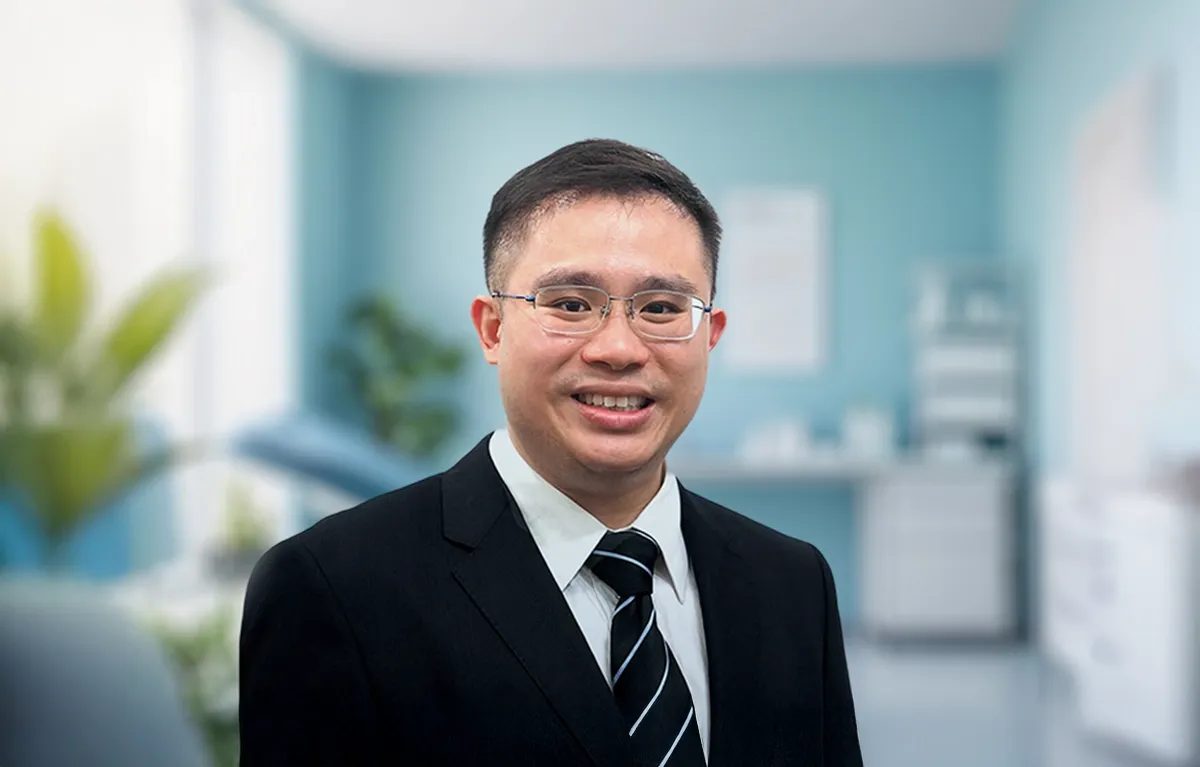
Dr Seng Chusheng
Meet Our Knee Specialist in Singapore
Dr Seng Chusheng is a Senior Consultant Orthopaedic Surgeon with a special interest in knee injuries, sports-related conditions and joint preservation procedures. He manages a wide range of knee problems, from ligament and meniscus injuries in active individuals to cartilage damage and degenerative conditions affecting long-term mobility.
He has expertise in arthroscopic knee surgery, ligament reconstruction, cartilage restoration procedures and advanced knee replacement techniques. Having performed more than 1,000 orthopaedic procedures, Dr Seng combines extensive surgical experience with a patient-centred approach focused on restoring function, stability and quality of life.



How Knee Problems Affect Daily Life
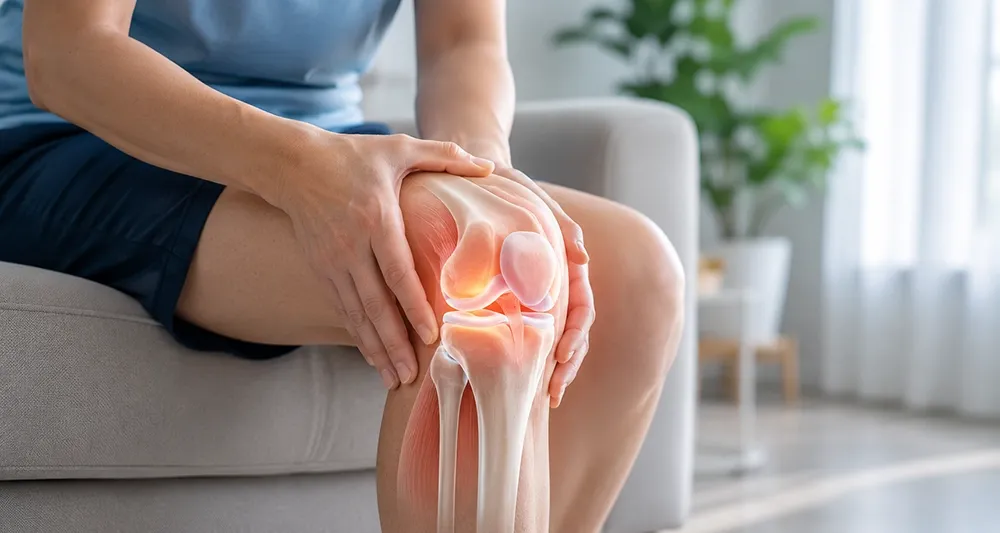
The knee plays a central role in supporting body weight and allowing smooth movement during everyday activities such as walking, climbing stairs, exercising and changing direction. The joint relies on a complex system of bones, cartilage, ligaments, tendons and muscles working together to provide stability, absorb impact and facilitate movement. Because the knee is subjected to repeated loading and stress throughout the day, it is particularly vulnerable to injuries and long-term wear and tear.
Over time, damage to these structures can lead to pain, stiffness, instability and degenerative conditions that affect mobility and quality of life.
What Are the Common Causes of Knee Conditions and Injuries?
Knee conditions can arise from a variety of factors, ranging from sudden injuries to gradual wear and tear over time. Some of the most common physical causes include:
- Sudden Twisting or Pivoting MovementsRapid changes in direction that place stress on the knee joint.
- Repetitive Stress and OveruseFrequent running, jumping, kneeling or other repetitive movements that gradually strain the joint.
- Muscle Weakness or ImbalanceInsufficient support from surrounding muscles, which could affect knee stability and alignment.
- Direct Impact or TraumaFalls, collisions or blows to the knee during daily activities or sports.
- Age-Related Wear and TearGradual degeneration of cartilage and joint structures over time.
- Poor Movement MechanicsImproper movement patterns that increase stress on the knee.
- High-Impact ActivitiesSports, accidents or activities involving significant force through the joint.
Who Is at Risk of Experiencing Knee Injuries?
Regularly straining your knees and placing them under stress can increase the chance of suffering an injury. You may be at greater risk of developing knee conditions if you:
- Participate in sports that involve running, jumping or sudden changes in direction
- Maintain a physically demanding lifestyle or activity level
- Perform repetitive movements at work or during exercise
- Frequently kneel, squat or lift heavy loads
- Have previously sustained a knee injury
- Are experiencing age-related changes in joint health
- Have muscle weakness, poor balance or reduced flexibility
Common Signs and Symptoms of Knee Problems
While mild knee discomfort may improve with rest, persistent or worsening symptoms can indicate an underlying condition that requires medical attention. Symptoms include:
Knee Pain
Swelling and Stiffness
Difficulty with Everyday Activities
Instability or Giving Way
Acute Post-Injury Symptoms
Locking, Catching or Clicking Sensations
Visible Deformity or Poor Alignment
When Should You See a Knee Specialist?
Many knee conditions do not improve simply with time. While minor aches following strenuous activity may settle with rest, persistent symptoms often require further evaluation to determine the underlying cause.
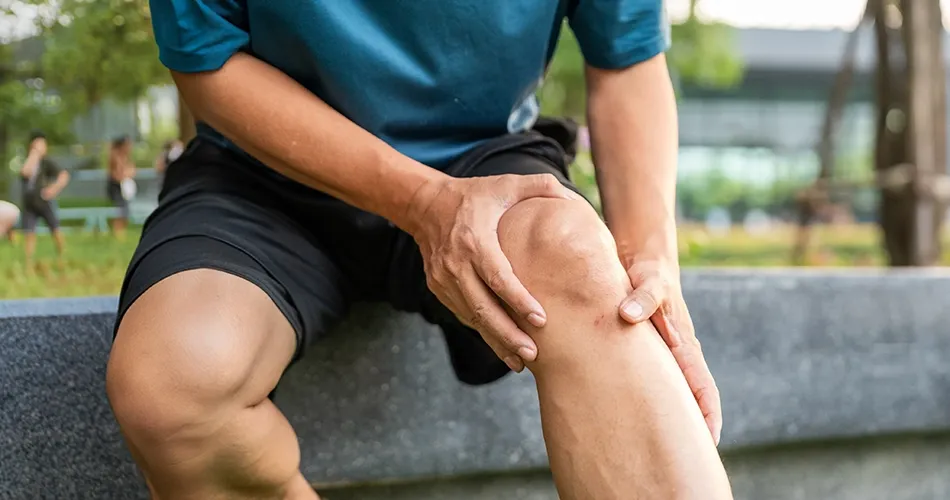
You should consider consulting a knee specialist if:
- Your symptoms have not improved after several weeks
- You have repeatedly experienced the same knee problem
- Knee discomfort is becoming more frequent over time
- Your symptoms are beginning to affect your lifestyle or activity level
- You have stopped participating in activities you previously enjoyed because of your knee
- Previous treatments have not provided lasting relief
- You are concerned that your condition is gradually worsening
- You would like a clearer understanding of your diagnosis and treatment options
Early assessment can help identify the cause of knee problems before they have a greater impact on mobility, activity levels and overall quality of life.
Ongoing knee pain or reduced mobility should not be ignored.
Early assessment can help identify the underlying cause and allow treatment to begin before symptoms worsen.
Knee Conditions We Specialise in Treating
Our clinic manages a range of knee conditions and injuries that may affect stability, movement and daily function. These include:
Dislocated Kneecap (Patellar Dislocation)
Knee Dislocation
Patella Fracture
Anterior Cruciate Ligament (ACL) Injury
Meniscus Tears
Persistent knee symptoms can have many possible causes.
Seeing a knee specialist can help you understand what's affecting your joint and what treatment may be appropriate for your condition.
Knee Treatments We Offer
Where possible, conservative treatment may be recommended first. For more complex injuries or advanced joint damage, surgical intervention may be required.
Our knee specialist makes treatment recommendations depending on the underlying cause of your symptoms, your specific diagnosis and your lifestyle and management goals. Possible knee treatment procedures include:
- Knee Arthroscopy
- Total and Partial Knee Replacement
- Revision Knee Replacement
- Computer-Navigated Knee Replacement (Total & Partial)
- Robot-Assisted Knee Replacement (e.g. Makoplasty)
- Arthroscopic Ligament Reconstruction
- ACL Reconstruction
- PCL Reconstruction
- Multiligament Knee Reconstruction
- Cartilage Repair and Chondroplasty
- Meniscal Repair & Meniscal Transplant
- Subchondroplasty
- Knee Pain Management
- Sports Injury Treatment
What Happens During a Knee Specialist Consultation?
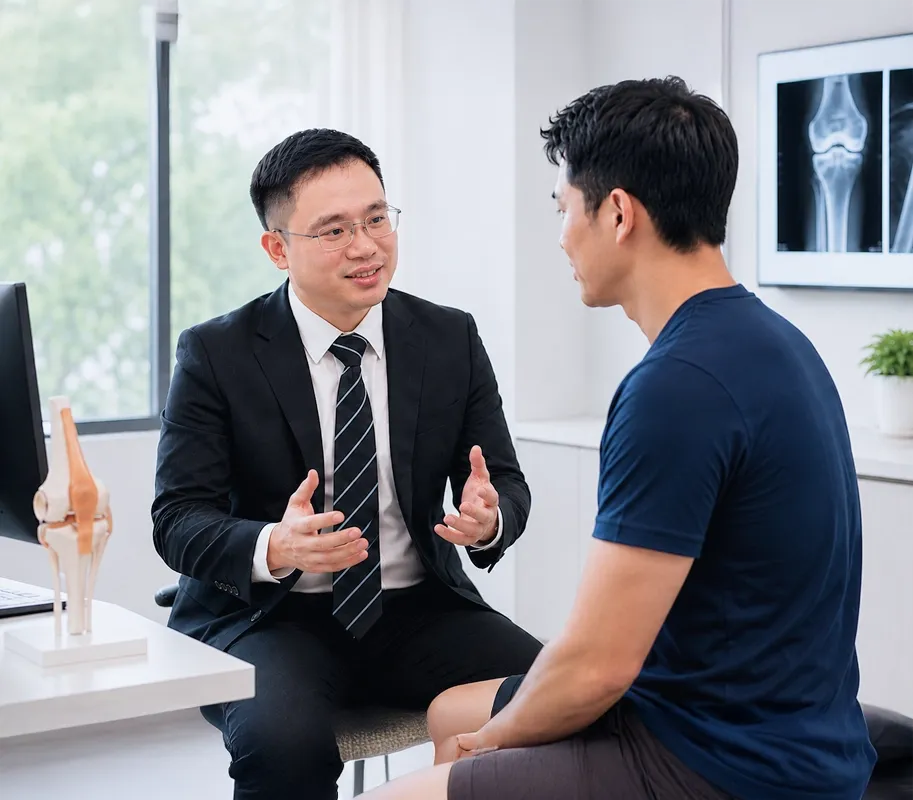
When you visit our clinic for a knee consultation, Dr Seng will take the time to understand your symptoms, how they affect your daily activities, or any previous injuries or treatments you may have had. A physical examination will usually be performed to assess the knee's movement, stability and function.
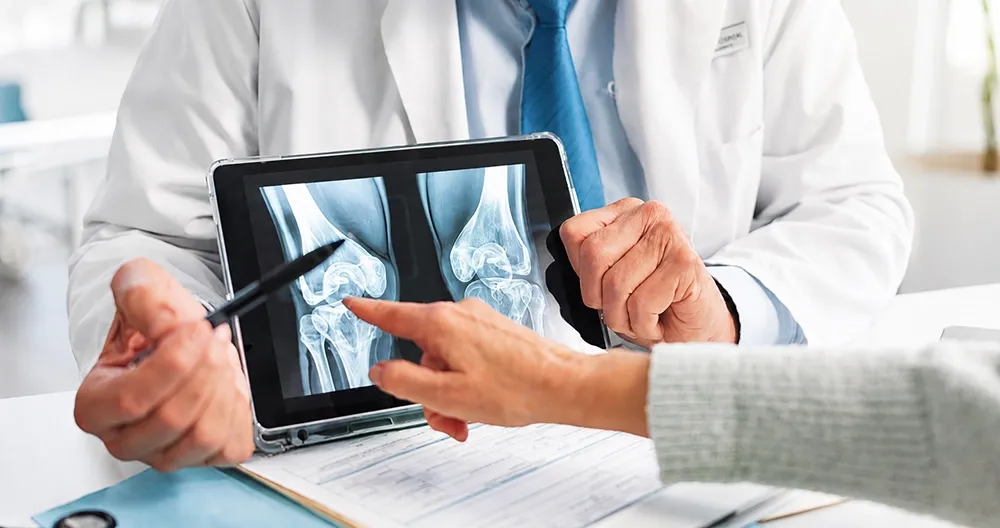
Where necessary, imaging tests such as X-rays or MRI scans may be arranged to confirm the diagnosis. Once the cause of your symptoms has been identified, Dr Seng will discuss the available treatment options and recommend a management plan tailored to your condition and recovery goals.
Why Choose Our Knee Clinic?
At Axis Orthopaedic Centre, knee care is centred on accurate diagnosis, clear communication and treatment tailored to your condition, lifestyle and recovery goals. Our dedicated approach includes:

Focused Care for Knee Conditions

Clear Assessment of Movement and Stability

Treatment Options Tailored to Your Needs

Management of Sports-Related Knee Injuries

Support for Degenerative Knee Conditions

Continuity of Care from Diagnosis to Recovery
Restore Knee Function and Mobility with Dr Seng Chusheng
Knee pain, instability, stiffness and reduced mobility can affect everything from daily activities to sports performance. Whether your symptoms are caused by a recent injury or a long-standing condition, an accurate diagnosis is the first step towards effective treatment.
At Axis Orthopaedic Centre, Senior Consultant Orthopaedic Surgeon Dr Seng Chusheng provides comprehensive assessment and personalised treatment plans for a wide range of knee conditions, helping patients regain confidence in movement and return to the activities they enjoy.
Contact us today to find out more about how we can provide knee pain management and treatment.
FAQs About Knee Pain & Conditions
Do all knee conditions require surgery?
At what age do knee problems usually start appearing?
Can knee pain go away without treatment?
How do I know if I have a serious knee injury?
How can I prevent knee pain as I age?
How long does it take to recover from a knee injury?
Our Orthopaedic Clinic Locations
With three conveniently located clinics across Singapore, Dr Seng provides accessible and comprehensive orthopaedic care closer to where you live and work. Each location is equipped to deliver accurate diagnosis, treatment, and rehabilitation for a wide range of musculoskeletal conditions.
Medical Centre
#06-33
Singapore 329563
Medical Centre
#04-08
Singapore 427989
Medical Centre A
#03-08
Singapore 574623
Teleconsult Available
For foreign patients, a tele-consult on Zoom or WhatsApp can be done if pre-arranged in advance. Please email or WhatsApp first to enquire.
Opening Hours
Contact Details