







Foot and Ankle Specialist in Singapore

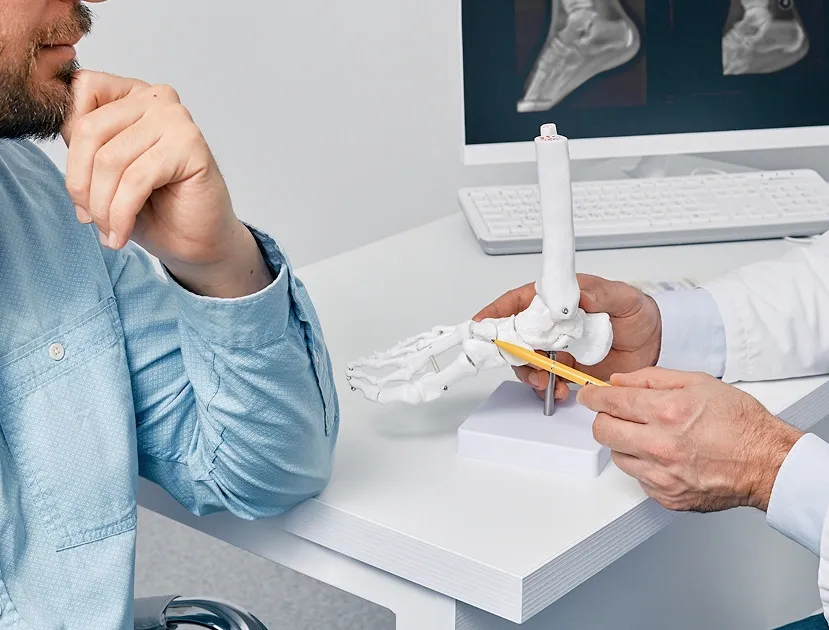
Dr Seng Chusheng is a fellowship-trained senior consultant orthopaedic surgeon with experience performing more than 1,000 procedures. He has a special interest in foot and ankle conditions, sports injuries and reconstructive procedures, with experience in managing conditions ranging from ankle ligament injuries and tendon disorders to arthritis, deformities and complex foot and ankle problems affecting mobility.
- Foot and Ankle Specialist for Sports Injuries, Arthritis and Complex Conditions
- Foot and Ankle Reconstruction & Joint Preservation Procedures
- Minimally Invasive Surgery & Advanced Ankle Replacement
Meet Our Foot and Ankle Specialist in Singapore

Dr Seng Chusheng
Meet Our Foot and Ankle Specialist in Singapore
Dr Seng Chusheng is a Senior Consultant Orthopaedic Surgeon with experience managing foot and ankle problems ranging from bunions and chronic ankle instability to tendon injuries, fractures and arthritis. His practice focuses on preserving mobility and function, helping patients remain active while addressing the underlying cause of their symptoms.
Dr Seng has further developed his expertise through advanced training at the internationally recognised Assal Centre in Geneva, Switzerland, where he trained in foot and ankle surgery, lower limb trauma and deformity correction. This specialist training allows him to manage both routine and complex foot and ankle conditions with a personalised approach tailored to each patient's needs and goals.



How Foot and Ankle Conditions Affect Mobility
The foot and ankle are complex structures that support movement, balance and weight-bearing activities. When pain, injury or deformity affects these structures, everyday activities such as walking, standing and exercise can become difficult.
Foot and ankle conditions range from common problems such as plantar fasciitis, bunions and ankle sprains to more complex disorders involving the bones, joints, tendons and ligaments. Accurate diagnosis and timely treatment can help relieve pain, restore mobility and support a return to normal activities.
What Can Cause Foot and Ankle Conditions and Injuries?
Some of the most common causes of foot and ankle conditions include:
- Acute Sprains and StrainsTwisting or rotating the foot and ankle beyond normal motion.
- Mechanical TraumaTripping or falling with increased force.
- Improper FootwearWearing badly fitting footwear.
- Vascular and Neurological IssuesPoor blood circulation and nerve damage.
- Degenerative ChangesWear and tear of the joints, ligaments and tendons.
- High-Impact TraumaAccidents and sports injuries.

Who Is at Risk of Experiencing Foot and Ankle Injuries?
Regularly placing stress on your feet and ankles can increase the likelihood of injury. You may be at greater risk of developing foot and ankle conditions if you:
- Participate in sports involving running, jumping or sudden changes in direction
- Maintain a physically demanding lifestyle or occupation
- Wear unsupportive or poorly fitting footwear regularly
- Have previously sustained a foot or ankle injury
- Experience muscle weakness, poor balance or reduced flexibility
- Have age-related changes affecting joint health
Common Signs and Symptoms of Foot and Ankle Problems
While mild discomfort may improve with rest, persistent or worsening symptoms can indicate an underlying condition that requires medical attention. Common indications are:
Persistent or Chronic Foot and Ankle Pain
Swelling and Stiffness
Difficulty Walking or Bearing Weight
Instability or Repeated Ankle Rolling
Acute Post-Injury Symptoms
Progressive Deformity
Numbness, Tingling or Burning Sensations
Recognising symptoms early can help prevent problems from worsening, and early intervention by a specialist can help you discover the cause of underlying conditions.
When Should You See a Foot and Ankle Specialist?
While minor aches and injuries may sometimes improve with rest, some foot and ankle problems require further assessment to identify the underlying cause and prevent symptoms from affecting mobility.

You should consider consulting a foot and ankle specialist if:
- Your symptoms have not improved after several weeks
- Foot or ankle problems repeatedly return
- Discomfort is becoming more frequent or severe
- Symptoms are affecting your ability to work, exercise or remain active
- You have stopped participating in activities because of foot or ankle problems
- Previous treatments have not provided lasting relief
- You are concerned that your condition is gradually worsening
- You would like a clearer understanding of your diagnosis and treatment options
Do not ignore ongoing pain.
At Axis Orthopaedic Centre, our foot and ankle specialist evaluates the underlying cause of your symptoms to determine the most appropriate surgical or non-surgical treatment.
Foot and Ankle Conditions We Specialise in Treating
At Axis Orthopaedic Centre, we specialise in treating a range of foot and ankle conditions that could cause pain, affect mobility and negatively influence a patient’s quality of life.
Foot and Ankle Arthritis
Achilles Tendon Injuries
Bunions
Foot and Ankle Fractures
Ankle Sprains and Ligament Injuries
Plantar Fasciitis
Tendon Injuries and Tendonitis
Bursitis
Hammertoe Deformity
Morton's Neuroma
If you're experiencing ongoing foot or ankle problems or have concerns about a recent injury,
an early assessment can help identify the cause and determine the most appropriate treatment options.
Foot and Ankle Treatments We Offer
Our specialist provides a comprehensive range of clinical interventions tailored to the specific diagnosis, severity of symptoms and functional goals of each patient. Depending on the nature of the condition, management may involve conservative non-surgical care or advanced surgical procedures such as:
- Ankle Sprain Treatment
- Ankle Arthroscopy and Ligament Repair
- Ankle Arthritis Treatment
- Ankle Cartilage Repair (Arthroscopic and Open Surgery)
- Bunion Surgery (Minimally Invasive Surgery (MIS) and Open Surgery)
- Ankle Fusion (Arthroscopic and Open Surgery)
- Subchondroplasty
- Total Ankle Replacement
- Tendoachilles Repair
- Complex Foot and Ankle Fractures/Dislocations
- Plantar Fasciitis Treatment
What Happens During a Foot and Ankle Specialist Consultation?
During your consultation, Dr Seng will assess how your foot or ankle pain affects your walking, balance, footwear comfort and daily activities. He will also review any recent injuries, previous treatments and symptoms such as swelling, stiffness, instability, numbness or changes in foot shape.
You may also require a physical examination, which includes checks of joint movement, alignment, areas of tenderness, tendon function, ligament stability and weight-bearing ability. If needed, imaging such as X-rays or MRI scans may be arranged to evaluate bone, joint, tendon or ligament damage.
After the diagnosis is confirmed, Dr Seng will explain the likely cause of your symptoms and discuss suitable treatment options, which may include activity modification, physiotherapy, medication, injections or surgery, depending on your condition.
Why Choose Our Foot and Ankle Clinic?
Foot and ankle problems can affect every step you take, making accurate diagnosis essential for effective treatment. At Axis Orthopaedic Centre, care is tailored to the specific structures involved and how your condition affects your mobility, comfort and daily activities.

Expertise Across a Wide Range of Foot and Ankle Conditions

Treatment for Both Pain Relief and Long-Term Function

Full Range of Treatment Options

Experience Managing Sports Injuries and Active Individuals

Support Throughout Recovery and Rehabilitation

Address Your Foot and Ankle Problems with Dr Seng Chusheng
Foot and ankle conditions affect almost every movement you make throughout the day. Whether it is heel pain when taking your first steps in the morning, an ankle that repeatedly gives way during activity or a bunion that makes footwear uncomfortable, these problems can gradually reduce mobility and limit your independence.
At Axis Orthopaedic Centre, Senior Consultant Orthopaedic Surgeon Dr Seng Chusheng provides specialist care for a wide range of foot and ankle conditions, from sports injuries and tendon disorders to arthritis, deformities and fractures. Following a thorough assessment, patients can expect clear counselling on their diagnosis, treatment options and potential outcomes of surgery and treatment. Our recommendations are tailored to your diagnosis, activity level and long-term goals, helping you return to daily activities with greater comfort and confidence.
Contact us today to arrange a consultation with our foot and ankle specialist.
FAQs About Foot and Ankle Conditions
When should I be concerned about foot or ankle pain?
Do all foot and ankle conditions require surgery?
How can foot and ankle conditions be prevented?
What type of shoes can help prevent foot and ankle problems?
How long does it take to recover from a foot or ankle injury?
Is foot and ankle surgery painful?
Our Orthopaedic Clinic Locations
With three conveniently located clinics across Singapore, Dr Seng provides accessible and comprehensive orthopaedic care closer to where you live and work. Each location is equipped to deliver accurate diagnosis, treatment, and rehabilitation for a wide range of musculoskeletal conditions.
Medical Centre
#06-33
Singapore 329563
Medical Centre
#04-08
Singapore 427989
Medical Centre A
#03-08
Singapore 574623
Teleconsult Available
For foreign patients, a tele-consult on Zoom or WhatsApp can be done if pre-arranged in advance. Please email or WhatsApp first to enquire.
Opening Hours
Contact Details