



Shoulder Specialist in Singapore

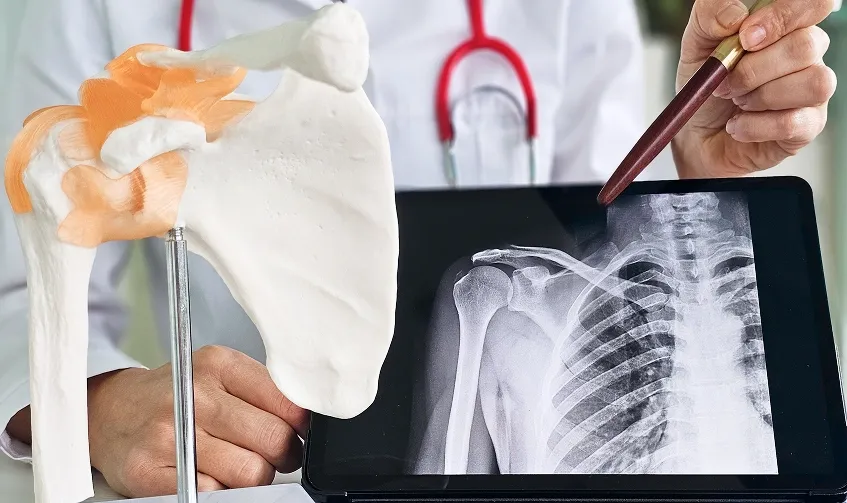
Dr Seng Chusheng is a fellowship-trained senior consultant orthopaedic surgeon with experience performing more than 1,000 procedures. He has a special interest in shoulder conditions, sports injuries and reconstructive procedures, with experience in managing conditions ranging from rotator cuff injuries and shoulder instability to arthritis, tendon disorders and degenerative shoulder conditions affecting function and mobility.
- Shoulder Specialist for Sports Injuries, Arthritis and Complex Conditions
- Shoulder Reconstruction & Joint Preservation Procedures
- Arthroscopic Shoulder Surgery & Advanced Shoulder Replacement
Meet Our Shoulder Specialist in Singapore
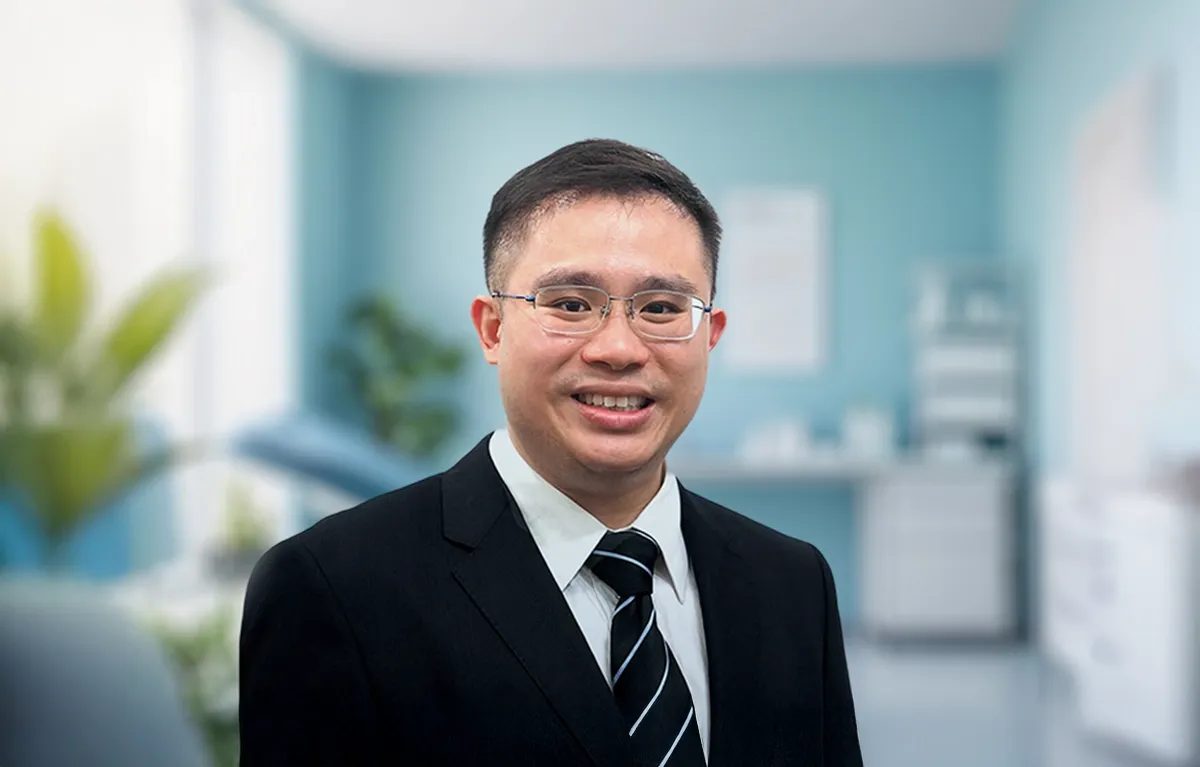
Dr Seng Chusheng
Meet Our Shoulder Specialist in Singapore
Dr Seng Chusheng is a Senior Consultant Orthopaedic Surgeon with a special interest in shoulder injuries, sports-related conditions and joint preservation procedures. He manages a wide range of shoulder problems, from rotator cuff injuries and shoulder instability to frozen shoulder, tendon disorders and degenerative joint conditions affecting mobility and function.
His clinical practice includes arthroscopic shoulder surgery, rotator cuff repair, labral repair, shoulder stabilisation procedures and shoulder replacement surgery. Having performed more than 1,000 orthopaedic procedures, Dr Seng combines extensive surgical experience with a patient-centred approach focused on restoring movement, reducing pain and helping patients return to the activities that matter to them.



How Shoulder Conditions Affect Movement
The human shoulder is highly mobile, allowing you to reach overhead, lift objects, exercise, drive, dress yourself and perform countless everyday tasks. However, this exceptional range of movement comes at the expense of stability. The shoulder is more vulnerable to injuries, tendon disorders, joint instability and degenerative conditions than many other joints in the body.
What begins as mild discomfort can eventually progress to persistent pain, weakness, stiffness or loss of movement. When this happens, many people still continue to adapt how they move their arm, without realising how much shoulder function they have lost.
When such conditions are left untreated, everyday activities can become increasingly difficult and quality of life may be affected.
What Are Common Causes of Shoulder Conditions and Injuries?
Shoulder conditions can develop as a result of acute injuries, repetitive strain, age-related degeneration or underlying medical conditions that affect the joint and surrounding soft tissues. Common causes include:
- Falls and TraumaFalls onto the shoulder, direct impacts or accidents can cause fractures, dislocations, ligament injuries and damage to the surrounding muscles and tendons.
- Performing Repetitive Overhead ActivitiesActivities involving repeated throwing, lifting, swimming, racquet sports or overhead movements can place significant stress on the shoulder joint and increase the risk of overuse injuries.
- Tendon Wear and TearThe tendons of the rotator cuff can gradually weaken over time, making them more susceptible to inflammation, degeneration and tears.
- Joint DegenerationCartilage within the shoulder joint may wear down with age, leading to pain, stiffness and reduced range of motion.
- Shoulder InstabilityPrevious dislocations, ligament injuries or naturally loose joint structures may make the shoulder more prone to repeated instability and recurrent dislocations.
- Inflammatory ConditionsConditions such as rheumatoid arthritis can cause chronic inflammation within the shoulder joint, resulting in pain, swelling and progressive joint damage.
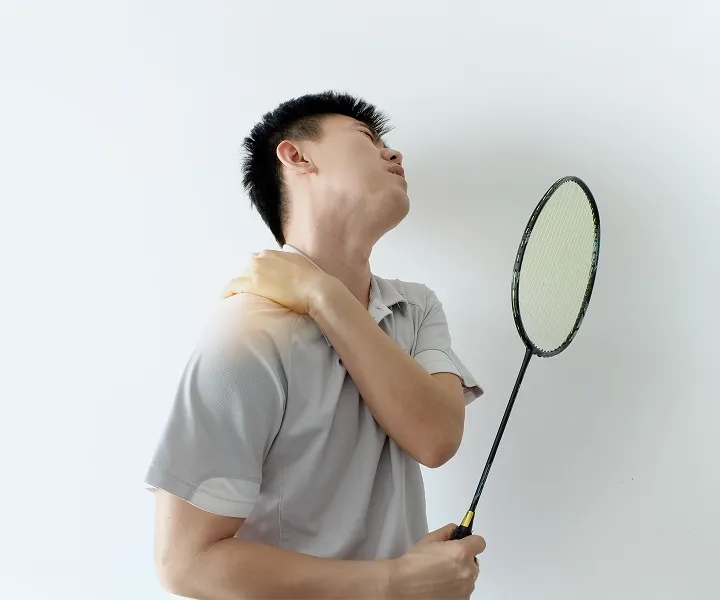
Who Is at Greater Risk of Experiencing Shoulder Injuries?
Certain factors may increase the risk of developing shoulder problems, including:
- Participation in sports involving repetitive overhead movements, such as tennis, swimming or badminton
- Occupations that require frequent lifting or overhead work
- Previous shoulder injuries or dislocations
- Increasing age
- Poor shoulder strength or flexibility
- Arthritis and other inflammatory conditions
Common Signs and Symptoms of Shoulder Problems
Shoulder conditions can affect strength, mobility and everyday function. While symptoms vary depending on the underlying condition, many people first notice discomfort during activities that involve lifting, reaching or moving the arm overhead. Common symptoms include:
Shoulder Pain
Difficulty Moving the Shoulder
Weakness in the Shoulder or Arm
Shoulder Instability
Visible Shoulder Deformity
Pain That Disturbs Sleep
Clicking, Catching or Grinding Sensations
When Should You See a Shoulder Specialist?
While some shoulder injuries may improve with rest and activity modification, persistent symptoms often require further assessment to identify the underlying cause.

You should consider consulting a shoulder specialist if:
- Symptoms have not improved after several weeks
- Shoulder pain repeatedly returns
- Daily activities are becoming increasingly difficult
- You have reduced your activity level because of shoulder problems
- Previous treatments have not provided lasting relief
- Symptoms are becoming more frequent or severe
- You are unable to regain normal shoulder movement
- You would like a clearer understanding of your diagnosis and treatment options
Shoulder pain and restricted movement may gradually affect work, exercise and everyday activities. Identifying the underlying cause early helps guide appropriate treatment and recovery.
Shoulder Conditions We Specialise in Treating
Our clinic manages a range of shoulder conditions and injuries that can affect mobility, strength and everyday function. These include:
Shoulder Dislocation
Shoulder Tendonitis
Frozen Shoulder
Shoulder Impingement
Rotator Cuff Tears
Shoulder Arthritis
If shoulder pain, stiffness or loss of movement is affecting your daily activities, a specialist assessment can help identify the underlying cause and discuss appropriate treatment options.
Shoulder Treatments We Offer
Axis Orthopaedic Centre provides the following treatments for shoulder conditions in Singapore:
- Shoulder Replacement – Anatomic & Reverse Arthroplasty
- Shoulder Arthroscopy and Capsular Release
- Subacromial Decompression
- Rotator Cuff Repair
- Arthroscopic Superior Capsule Reconstruction
- Labral Repair
What Happens During a Shoulder Specialist Consultation?
During your consultation, Dr Seng will assess how your shoulder symptoms affect your daily activities, work, sports participation and overall quality of life. You will likely be able to discuss how often your pain recurs, and Dr Seng will gauge range of movement, previous injuries, activity level and symptoms.
A physical examination may be performed to evaluate shoulder movement, joint stability, muscle strength and areas of tenderness. Where necessary, imaging studies such as X-rays, ultrasound scans or MRI scans may be recommended to assess the condition of the bones, cartilage, tendons, ligaments and other structures around the shoulder.
Once a diagnosis has been established, Dr Seng will explain the underlying cause of your symptoms and discuss the most appropriate treatment options. Depending on the condition, treatment may include activity modification, physiotherapy, medication, injections or surgical intervention.
Why Choose Our Shoulder Clinic?
Shoulder conditions can affect everything from basic daily tasks to sports performance and overall independence. At Axis Orthopaedic Centre, care is focused on identifying the cause of symptoms and developing personalised treatment plans that support long-term shoulder function and recovery.

Sports & Exercise Medicine Expertise
Experience in Shoulder Preservation and Reconstruction
Comprehensive Treatment Options
Care for Both Acute and Chronic Conditions
Detailed Assessment of Shoulder Function
Support Throughout Recovery
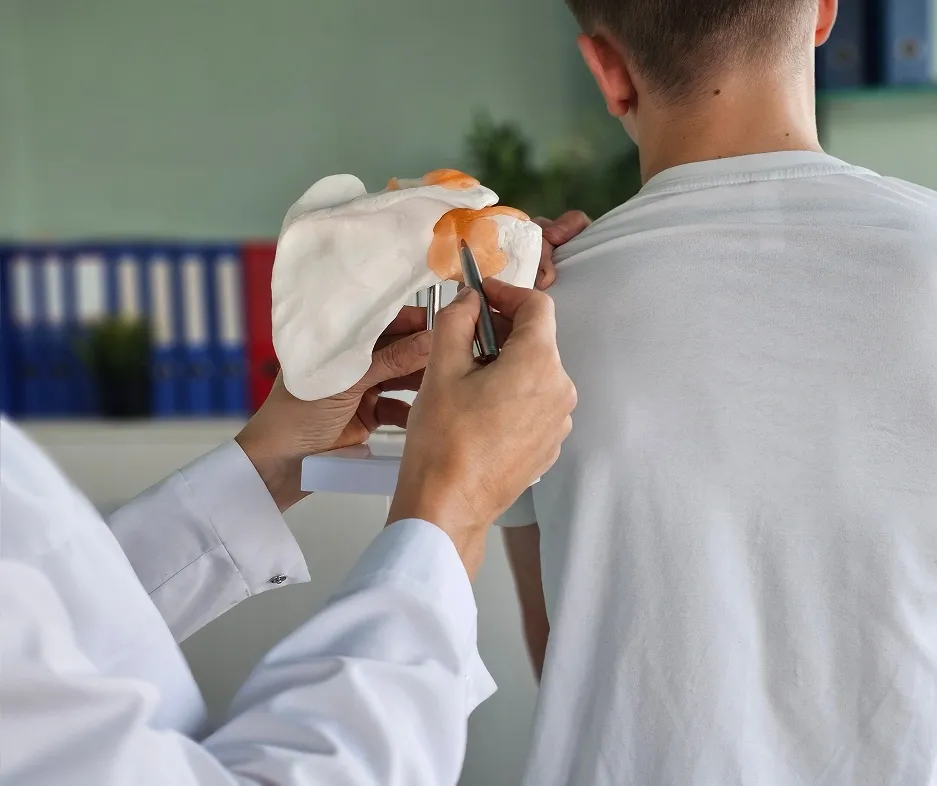
Seek Early Treatment for Shoulder Conditions with Dr Seng Chusheng
Many shoulder conditions begin by making simple movements more difficult, before progressing to persistent pain, weakness or loss of mobility. As symptoms worsen, patients often find themselves avoiding certain activities without realising how much shoulder function they have gradually lost.
Whether the cause is a rotator cuff injury, frozen shoulder, shoulder instability or another underlying condition, identifying the problem early can help prevent further deterioration and improve treatment outcomes.
At Axis Orthopaedic Centre, care is led by Senior Consultant Orthopaedic Surgeon Dr Seng Chusheng, who treats a wide range of shoulder conditions, from tendon injuries and joint stiffness to recurrent instability and degenerative disorders. Treatment recommendations are guided by the underlying diagnosis, the severity of symptoms and the functional demands placed on the shoulder, with the goal of helping patients regain comfortable movement and maintain long-term shoulder function.
Contact us today to learn more about our treatment options.
FAQs About Shoulder Pain & Conditions
What happens if a dislocated shoulder is left untreated?
When should I see a specialist for shoulder pain?
Why is my shoulder pain worse at night?
Will I always need shoulder surgery?
Our Orthopaedic Clinic Locations
With three conveniently located clinics across Singapore, Dr Seng provides accessible and comprehensive orthopaedic care closer to where you live and work. Each location is equipped to deliver accurate diagnosis, treatment, and rehabilitation for a wide range of musculoskeletal conditions.
Medical Centre
#06-33
Singapore 329563
Medical Centre
#04-08
Singapore 427989
Medical Centre A
#03-08
Singapore 574623
Teleconsult Available
For foreign patients, a tele-consult on Zoom or WhatsApp can be done if pre-arranged in advance. Please email or WhatsApp first to enquire.
Opening Hours
Contact Details