



Knee Pain Treatment in Singapore

Knee conditions involve a complex interplay of the bones, ligaments, and cartilage that facilitate joint stability and fluid movement. These issues often stem from acute trauma, degenerative wear, or mechanical imbalances that require precise clinical mapping to restore full functional integrity.
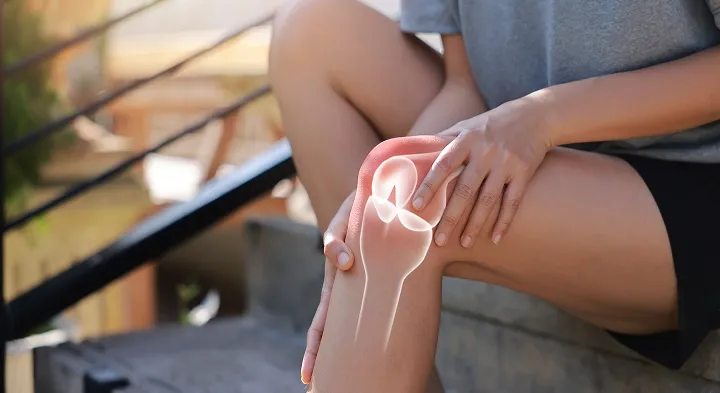
What Is Knee Pain?
Discomfort within the knee joint serves as a primary indicator that the underlying anatomy is experiencing excessive stress or structural failure. This sensation often manifests as a result of articular cartilage degradation, ligamentous laxity, or intra-articular inflammation that restricts the limb's natural range of motion. In cases like these, distinguishing between acute trauma and chronic overuse is a critical step in developing a clinical strategy to preserve long-term joint health.
What Are the Common Symptoms of Knee Pain?
Knee discomfort often presents with a distinct cluster of symptoms that suggest specific structural or mechanical joint issues. These include:
- Persistent Swelling and StiffnessPersistent swelling and stiffness that physically limit the joint's natural range of motion during routine weight-bearing movements.
- Localised Redness and WarmthLocalised redness and warmth occurring around the joint capsule are a direct sign of active intra-articular inflammation.
- Instability or BucklingInstability or a buckling sensation where the knee feels structurally incapable of supporting the body's full weight.
- Audible Popping or GrindingAudible popping or grinding sounds that occur during flexion or extension due to mechanical friction within the joint.
- Locking or Catching SensationsLocking or catching sensations that cause the limb to become temporarily jammed or unable to straighten fully.
- Nocturnal Aching or ThrobbingNocturnal aching or throbbing that remains present even when the joint is in a state of complete rest.
At Axis Orthopaedic Centre, our specialist carefully assesses the type and severity of each knee condition to determine the most appropriate surgical or non-surgical approach.
What Are the Causes of Knee Pain?
The most common causes of knee pain include:
Ligamentous Injuries
Tears to the ACL, MCL, or PCL often occur during high-impact sports or sudden rotational shifts.Meniscal Tears
Forceful twisting of the knee can damage the fibrocartilage pads that provide essential joint cushioning.Articular Cartilage Degradation
Progressive wear of the joint surfaces leads to osteoarthritis and a significant reduction in weight-bearing capacity.Patellar Tendonitis
Repetitive loading and strain on the tendon below the kneecap result in localised inflammation and discomfort.Joint Effusion and Bursitis
The accumulation of excess synovial fluid or inflammation of the bursae causes visible swelling and pressure.Mechanical Impingement
Loose fragments of bone or cartilage can become trapped within the joint, causing sudden locking or catching.
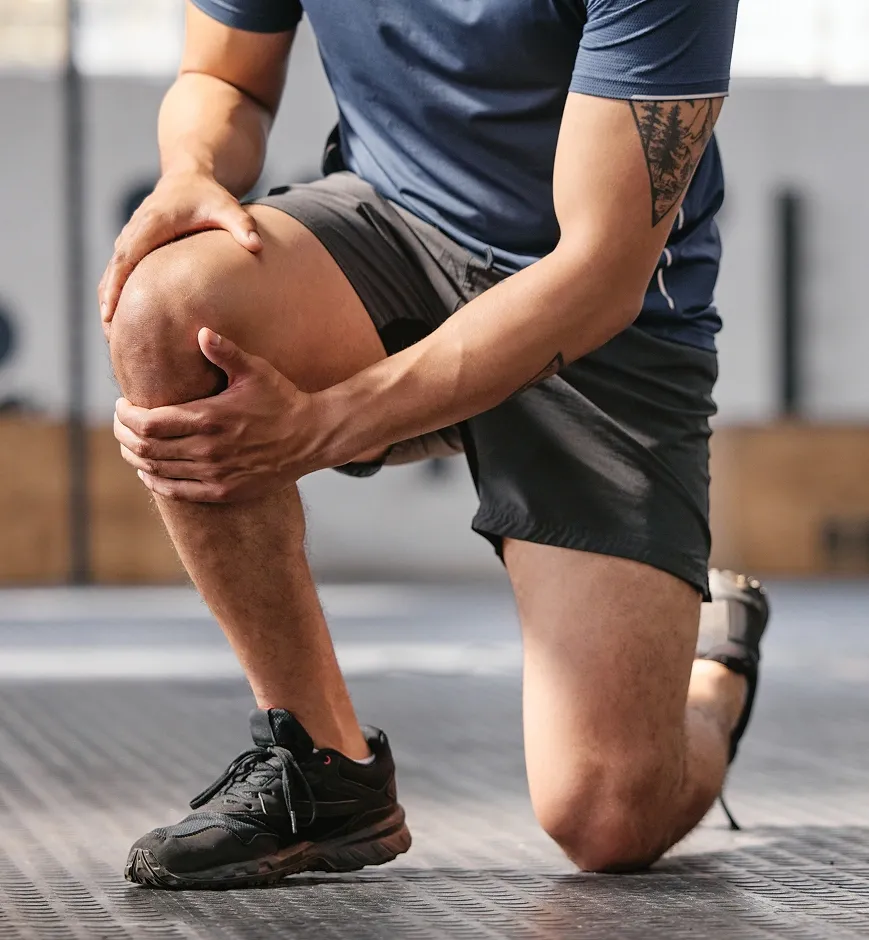
How Is Knee Pain Diagnosed?
A definitive diagnosis of knee pain requires a systematic clinical evaluation to identify the exact source of joint dysfunction. This process usually involves:
Medical History Review
The specialist clinic assesses the onset of symptoms and past traumatic events to establish a baseline for the joint’s condition.
Physical Examination
Manual stability tests and range-of-motion assessments are conducted to detect ligamentous laxity or mechanical catching.
X-Ray Imaging
Radiographic studies provide a clear view of bone alignment and the narrowing of joint spaces typical of osteoarthritis.
MRI Scans
Magnetic resonance imaging offers high-resolution detail of soft tissues, including the meniscus, ACL, and articular cartilage.
Ultrasound Diagnostics
Real-time imaging is used to evaluate fluid accumulation, tendon integrity, and active intra-articular inflammation.
Laboratory Analysis
Joint fluid aspiration or blood tests may be required to exclude systemic conditions like gout or rheumatoid arthritis.
How Is Knee Pain Treated?
Treatment strategies for knee pain are tailored to the specific nature of the joint dysfunction, ranging from conservative management to advanced surgical restoration. The primary objective is to alleviate intra-articular inflammation while addressing the underlying mechanical or structural issues to restore long-term mobility.
Non-Surgical Knee Pain Treatments
A conservative approach is often the first line of intervention for mild to moderate joint dysfunction or early-stage degenerative changes, with treatments including:
Rest and Activity Modification
Reducing high-impact loading allows acute inflammation to subside and prevents further micro-trauma to the articular surfaces.Physiotherapy
Structured rehabilitation programmes focus on strengthening the quadriceps and hamstrings to improve joint stability and biomechanical alignment.Medication
Oral anti-inflammatories or topical analgesics are utilised to manage symptomatic discomfort and reduce intra-articular swelling during the healing phase.Injections
Targeted delivery of hyaluronic acid or platelet-rich plasma (PRP) can lubricate the joint and support the biological repair of soft tissues.
Surgical Knee Pain Treatments
Surgical intervention is considered when structural damage or mechanical joint failure necessitates anatomical restoration to achieve functional recovery. The most common types of surgical intervention include:
Knee Arthroscopy
This minimally invasive keyhole procedure allows the doctor to visualise and repair intra-articular damage with high precision.Total & Partial Knee Replacement
Resurfacing the damaged joint compartments with metal and plastic prostheses restores a smooth, pain-free gliding surface for movement.Computer Navigated Knee Replacement (Total & Partial)
Intra-operative digital mapping is utilised to ensure optimal prosthetic alignment, potentially increasing the long-term durability of the implant.Robot-Assisted Knee Replacement (e.g. Makoplasty)
Robotic precision enables the surgeon to customise the implant fit to your unique anatomy, minimising trauma to the surrounding soft tissues.Revision Knee Replacement
Complex procedures are performed to replace worn or loosened implants, focusing on restoring bone stock and joint stability.Arthroscopic Ligament Reconstruction
The surgical repair of torn connective tissues using high-resolution cameras facilitates a faster return to physical activity with minimal scarring.ACL Reconstruction
Replacing a ruptured anterior cruciate ligament with a graft is essential for restoring rotational stability in active individuals.PCL Reconstruction
Surgical repair of the posterior cruciate ligament prevents the tibia from sagging and maintains the structural integrity of the joint capsule.Multiligament Knee Reconstruction
Comprehensive surgical repair is required when multiple ligaments are compromised, often following high-velocity traumatic events.Cartilage Repair and Chondroplasty Reconstruction
Advanced biological techniques are used to smooth articular surfaces or transplant healthy cartilage cells to treat chondral defects.Meniscal Repair & Meniscal Transplant
Suturing a torn meniscus or transplanting donor tissue preserves the joint's shock-absorbing capacity and delays the onset of arthritis.Subchondroplasty
This targeted procedure involves injecting a bone-substitute material into subchondral bone defects to treat painful stress fractures and marrow lesions.
Whether your condition can be managed conservatively or requires surgery, our goal at Axis Orthopaedic Centre is to help you regain comfortable, natural movement in your joint.
Can Knee Pain be Prevented?
While not all joint issues are avoidable, maintaining knee health involves a proactive focus on biomechanical support and load management. Reducing excess body weight significantly decreases the mechanical stress placed on articular surfaces, while targeted strength training for the quadriceps and hamstrings provides essential stability to the joint capsule. Additionally, incorporating low-impact activities and ensuring proper footwear further helps to distribute forces evenly, preserving cartilage integrity and reducing the risk of chronic degenerative changes.
Move Forward with Healthier Knees at Axis Orthopaedic Centre
Effective management of knee pain requires a comprehensive understanding of the joint’s complex anatomy and the specific mechanical triggers causing dysfunction. Whether your symptoms stem from an acute ligamentous tear or progressive articular cartilage degradation, early clinical intervention is essential to prevent secondary joint instability.
At Axis Orthopaedic Centre, we provide a full spectrum of specialist care ranging from conservative rehabilitation to advanced robot-assisted joint replacement. Dr Seng Chusheng and our clinical team are dedicated to developing evidence-based treatment plans that align with your unique activity levels and lifestyle goals. If persistent joint discomfort is affecting your quality of life, contact us today to schedule a detailed assessment and take the first step toward pain-free movement.
FAQs About Knee Pain
What is the reason for knee pain without injury?
Can walking a lot cause knee pain?
How do I know if my knee pain is serious?
Can knee pain go away on its own?
Is walking good for knee pain?
When should I see a knee specialist?
About Dr Seng Chusheng
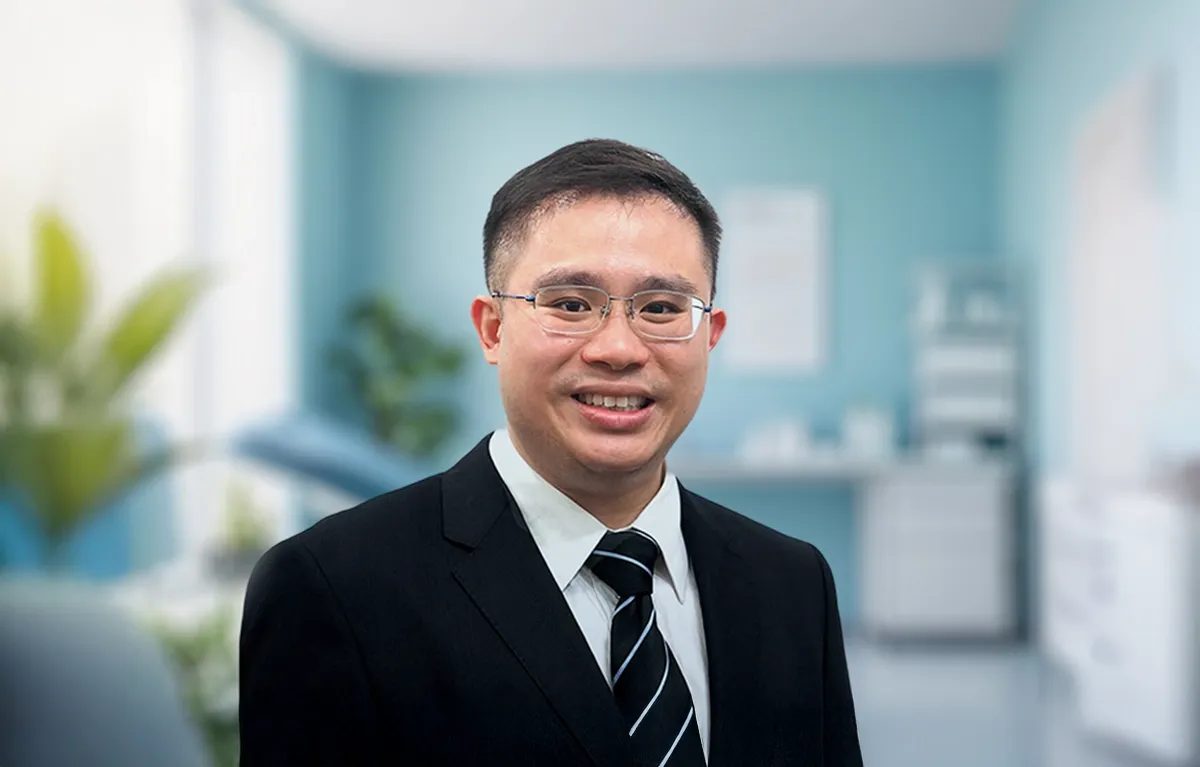
Dr Seng Chusheng
About Dr Seng Chusheng
Dr Seng Chusheng is a consultant orthopaedic surgeon at Axis Orthopaedic Centre, specialising in foot and ankle surgery. His expertise includes minimally invasive bunion correction, complex foot and ankle fracture fixation, keyhole ligament reconstruction and cartilage repair. Over the course of his career, he has performed more than a thousand surgeries and manages a broad range of conditions, including general orthopaedic trauma and sport-related knee injuries.
Dr Seng received advanced fellowship training at the Assal Centre in Geneva, Switzerland, focusing on complex deformities, trauma and minimally invasive techniques. Before entering private practice, he served as a consultant orthopaedic surgeon at Singapore General Hospital and continues as a visiting consultant. His dedication to patient care has been recognised with the SingHealth Service With A Heart Award. Actively involved in research and education, Dr Seng regularly presents at local and international conferences and has published extensively in peer-reviewed journals, reflecting his commitment to advancing orthopaedic practice.



Our Orthopaedic Clinic Locations
With three conveniently located clinics across Singapore, Dr Seng provides accessible and comprehensive orthopaedic care closer to where you live and work. Each location is equipped to deliver accurate diagnosis, treatment, and rehabilitation for a wide range of musculoskeletal conditions.
Medical Centre
#06-33
Singapore 329563
Medical Centre
#04-08
Singapore 427989
Medical Centre A
#03-08
Singapore 574623
Teleconsult Available
For foreign patients, a tele-consult on Zoom or WhatsApp can be done if pre-arranged in advance. Please email or WhatsApp first to enquire.
Opening Hours
Contact Details