







Spine Specialist in Singapore

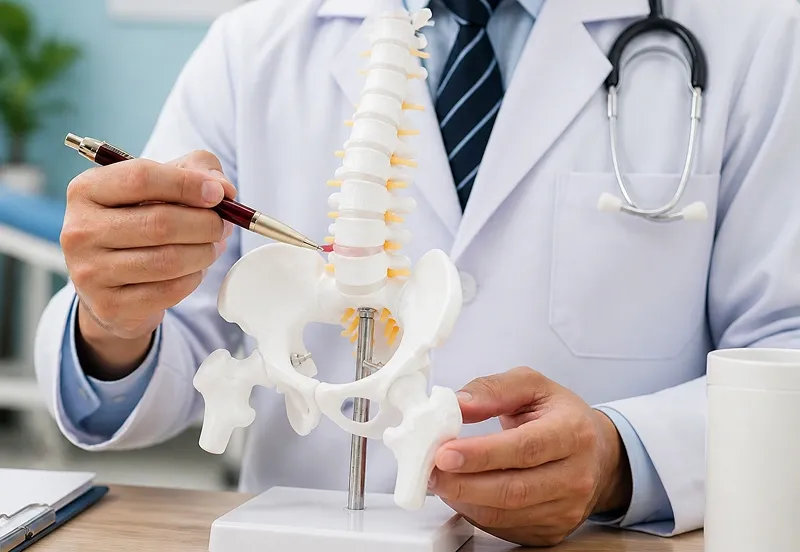
Dr Seng Chusheng is a fellowship-trained senior consultant orthopaedic surgeon with experience performing more than 1,000 procedures. He has a special interest in spinal conditions, nerve compression disorders and minimally invasive procedures, with experience managing conditions ranging from slipped discs and sciatica to spinal stenosis and other degenerative spine disorders affecting comfort, mobility and daily function.
- Assessment and Treatment for Common Spine Conditions
- Minimally Invasive Spine Procedures & Nerve Decompression
- Care for Neck Pain, Back Pain and Radiating Symptoms
Meet Our Spine Specialist in Singapore
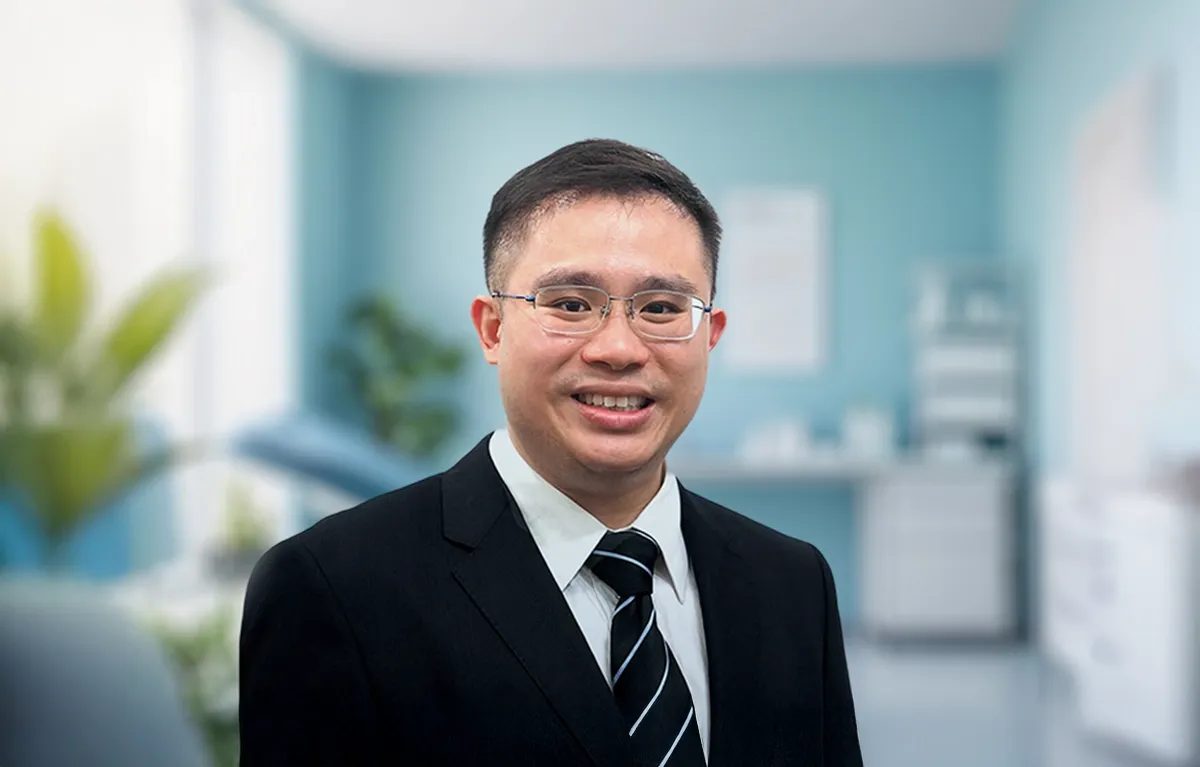
Dr Seng Chusheng
Meet Our Spine Specialist in Singapore
As a Senior Consultant Orthopaedic Surgeon, Dr Seng Chusheng provides assessment and treatment for a wide range of musculoskeletal conditions affecting the spine. He is committed to helping patients make informed treatment decisions through clear communication, detailed evaluation and evidence-based care.
Dr Seng's practice combines non-surgical management, minimally invasive techniques and advanced surgical procedures where appropriate. Each treatment plan is tailored to the patient's diagnosis, functional requirements and long-term goals.
Having performed more than 1,000 orthopaedic procedures, Dr Seng brings extensive clinical and surgical experience to the management of complex orthopaedic conditions.



How Spine Conditions Affect Daily Life
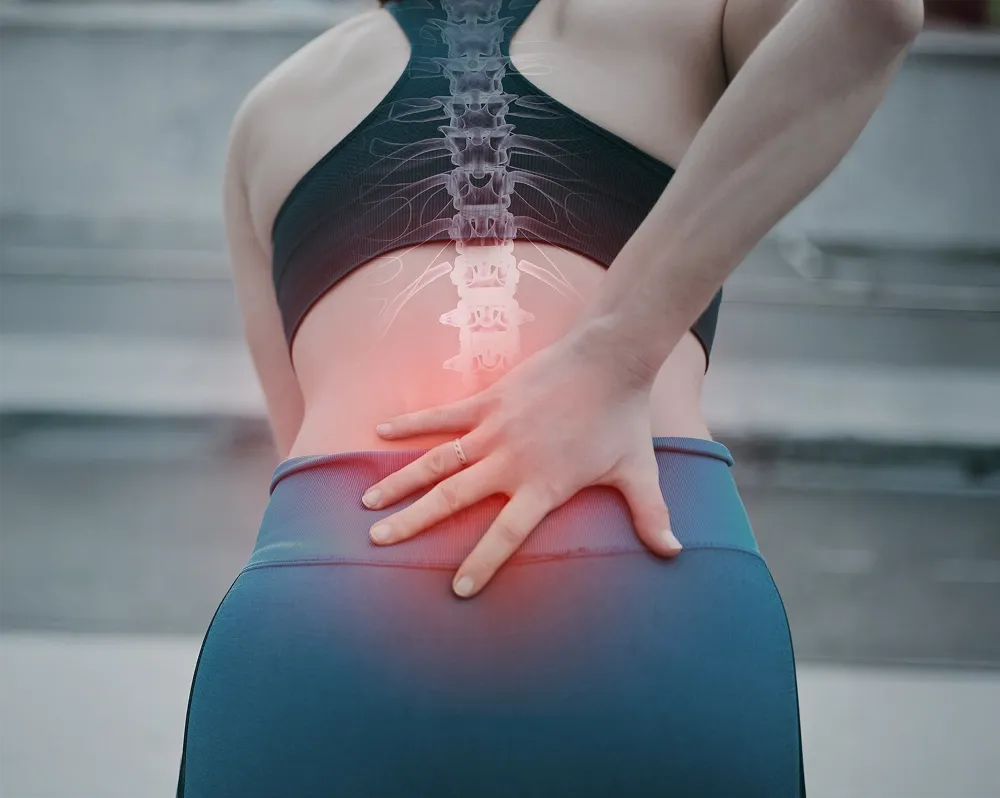
Spine conditions can affect far more than the back or neck alone. Problems affecting the spine may cause pain that radiates into the arms, buttocks or legs, as well as numbness, tingling, weakness and difficulty sitting, standing or walking comfortably for extended periods.
Many people initially dismiss these symptoms as ordinary aches and pains. However, conditions affecting the spinal discs, joints and nerves can gradually interfere with work, sleep, exercise and everyday activities. As symptoms progress, even routine movements such as getting out of bed, driving or remaining seated for long periods may become increasingly difficult.
Early assessment can help identify the cause of symptoms and determine the most appropriate treatment approach before spinal problems begin to have a greater impact on daily life.
What Can Cause Spine Injuries and Conditions?
Spine conditions can develop as a result of degeneration, injury, structural abnormalities or medical conditions affecting the spine. Common causes include:
- Congenital Disorders and Abnormal DevelopmentSome spinal conditions are present from birth or develop due to abnormalities affecting the structure and alignment of the spine.
- Age-Related Wear and TearThe discs, joints and other structures of the spine naturally undergo degeneration over time, which may contribute to pain, stiffness and reduced mobility.
- Injuries, Falls and AccidentsFalls, sporting injuries, workplace accidents and other forms of trauma may damage the bones, discs, joints or ligaments of the spine.
- Medical Conditions and DiseasesCertain conditions affecting the bones, joints, nerves and connective tissues may increase the risk of developing spinal problems.
- Infection and InflammationInfections or inflammatory conditions affecting the muscles, ligaments, joints or other spinal structures can contribute to pain and impaired function.
- Repetitive Motions and Physical ActivitiesRepeated bending, lifting, twisting or other physically demanding activities can place ongoing stress on the spine and surrounding structures.
Who Is More Likely to Develop Spine Conditions?
Spine conditions can affect people of all ages. However, certain occupations, activities and medical conditions may increase the likelihood of developing spinal problems.
You may be more likely to experience spine conditions if you:
- Perform physically demanding work involving frequent lifting, bending or twisting
- Spend long hours sitting at a desk or driving
- Frequently maintain poor posture during work or daily activities
- Participate in sports or activities that place repeated stress on the spine
- Have previously injured your neck or back
- Have a congenital spinal condition or abnormal spinal alignment
- Have arthritis or other conditions affecting the joints and spine
- Are experiencing age-related degeneration affecting the discs and joints of the spine
Understanding these factors can help identify potential contributors to symptoms and support earlier assessment when problems arise.
Common Signs and Symptoms of Spine Problems
Spine conditions can affect far more than the neck or back alone. Depending on the structures involved, symptoms may interfere with sitting, standing, walking, sleeping and other everyday activities. Common symptoms include:
Neck or Back Pain
Pain Radiating into the Arms or Legs
Numbness and Tingling
Weakness in the Arms or Legs
Stiffness and Reduced Mobility
Difficulty Sitting or Standing for Long Periods
When Should You See a Spine Specialist?
While minor neck or back discomfort may improve with rest and activity modification, some symptoms may indicate an underlying spinal condition requiring further assessment.
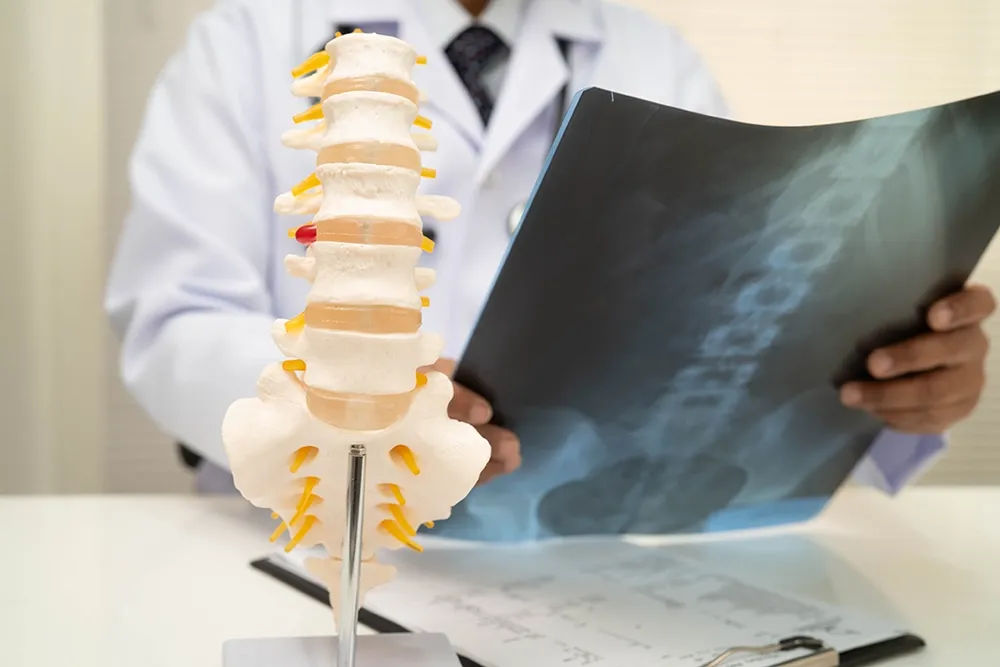
You should consider consulting a spine specialist if:
- Symptoms have not improved after several weeks
- Neck or back pain repeatedly returns
- Pain is affecting your ability to work, exercise or perform daily activities
- Symptoms are spreading into the arms or legs
- Numbness or tingling occurs regularly
- Weakness develops in the arms or legs
- Previous treatments have not provided lasting relief
- You are concerned that your condition is becoming more severe
- A recent injury continues to affect your neck or back function
Early assessment can help identify the cause of symptoms and determine the most appropriate treatment options before they begin to have a greater impact on mobility and quality of life.
Spine Conditions We Specialise in Treating
At Axis Orthopaedic Centre, we provide treatment for a range of spinal conditions that can affect mobility, comfort and nerve function. These include:
Herniated Disc
Sciatica
Spinal Stenosis
Cervical Radiculopathy
Spondylolisthesis
Spondylosis
If neck pain, back pain or radiating symptoms are affecting your daily activities, a specialist assessment can help clarify the diagnosis and discuss appropriate treatment options.
Spine Treatments We Offer
Our specialist, Dr Seng Chusheng, provides a range of treatment options tailored to the specific diagnosis, severity of symptoms and impact on daily function. Depending on the condition, treatment may involve conservative management, minimally invasive procedures or surgical intervention where appropriate.
Available treatments include:
- Minimally Invasive Spinal Decompression
- Minimally Invasive Fusion and Instrumentation
- Minimally Invasive Spinal Injections
What Happens During a Spine Consultation?
A spine specialist consultation focuses on identifying the source of symptoms and determining whether the spinal discs, joints, nerves or surrounding structures may be contributing to the problem. Dr Seng will discuss your symptoms, how they have progressed over time and the impact they have on your daily activities, work and mobility.
A physical examination may be performed to assess posture, spinal movement, areas of tenderness, nerve function and any signs of weakness, altered sensation or restricted mobility. Depending on the findings, imaging studies such as X-rays or MRI scans may be recommended to provide a clearer understanding of the structures affected.
Once a diagnosis has been established, the findings will be explained in detail and treatment options discussed. Recommendations will be based on the underlying condition, severity of symptoms and the functional goals of each patient.
Why Choose Our Spine Clinic?
At Axis Orthopaedic Centre, spine care is centred on accurate diagnosis, clear communication and treatment tailored to your condition, lifestyle and recovery goals. Our dedicated approach includes:

Experience Managing Disc Disorders and Nerve Compression Conditions

Access to Minimally Invasive Treatment Options

Individualised Treatment Planning

Support Throughout Treatment and Recovery
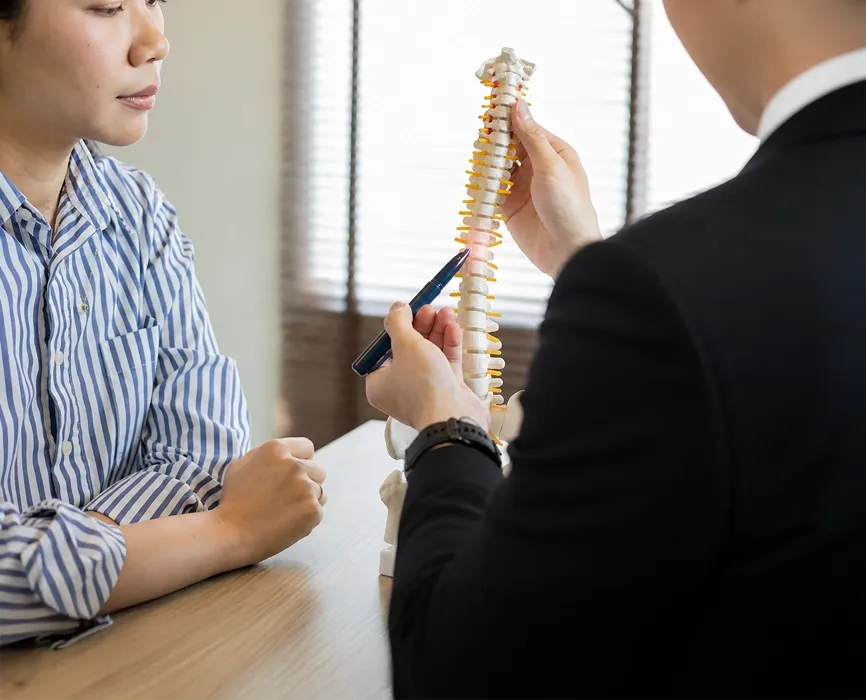
Addressing Spine Conditions with Dr Seng Chusheng
Many spinal conditions develop gradually. What begins as occasional discomfort while sitting, standing or walking may eventually progress into symptoms that interfere with work, sleep and everyday activities.
At Axis Orthopaedic Centre, Senior Consultant Orthopaedic Surgeon Dr Seng Chusheng provides comprehensive assessment and personalised treatment plans for a range of spinal conditions. Whether symptoms are caused by disc disorders, nerve compression, spinal degeneration or injury, treatment is tailored to the underlying diagnosis, symptom severity and individual functional goals.
Contact us today to learn more about the treatment options available for spine conditions.
FAQs About Spine Pain & Conditions
What is the difference between sciatica and a slipped disc?
Why does spine pain sometimes travel into the arms or legs?
Can spine problems develop without a specific injury?
How do I know if my symptoms are related to a nerve problem?
Why do spine symptoms often come and go?
Are minimally invasive spine procedures suitable for everyone?
Our Orthopaedic Clinic Locations
With three conveniently located clinics across Singapore, Dr Seng provides accessible and comprehensive orthopaedic care closer to where you live and work. Each location is equipped to deliver accurate diagnosis, treatment, and rehabilitation for a wide range of musculoskeletal conditions.
Medical Centre
#06-33
Singapore 329563
Medical Centre
#04-08
Singapore 427989
Medical Centre A
#03-08
Singapore 574623
Teleconsult Available
For foreign patients, a tele-consult on Zoom or WhatsApp can be done if pre-arranged in advance. Please email or WhatsApp first to enquire.
Opening Hours
Contact Details