







Minimally Invasive Bunion Surgery Treatment in Singapore

A bunion is a condition that develops gradually as changes in the way the big toe joint functions cause the toe to shift out of its normal position. Over time, this leads to structural changes in the front of the foot. Read more below:
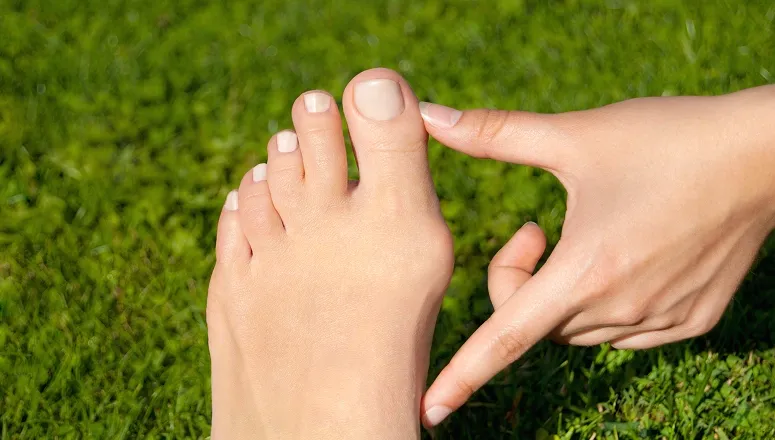
What are Bunions (Hallux Valgus)?
A Bunion is a bony bump that forms on the inner side of the foot at the base of the big toe. The skin over the bony bump usually appears red. This condition is often referred to by its Latin name, hallux valgus. The bony bump is usually a manifestation of a change in the alignment and structure of the foot, with the big toe pointing outwards towards the 2nd toe.
If the bump occurs on the outside of the foot at the base of the little toe, the condition is called bunionette.
What is a Bunionette (Tailor's Bunion)?
A bunionette (also called a tailor’s bunion) is a bony bump that forms on the outside of the foot at the base of the little toe. It occurs when the fifth metatarsal bone shifts outward or the little toe angles inward, which may cause pain, swelling, redness, and discomfort when wearing tight shoes.
Although a bunionette is not as common as a bunion, they have similar causes and symptoms.
What Are the Signs and Symptoms of Bunions?
Bunions (hallux valgus) may present with a combination of visible deformity and discomfort, which can gradually worsen over time. Common signs and symptoms include:
- Hard bony swelling at the big toe joint,usually seen as a prominent bump at the base of the big toe.
- Redness, tenderness, and pain around the big toe joint,especially after prolonged walking, standing, or wearing tight footwear.
- Corns or calluses,which may form where the big toe rubs against the second toe, as well as under the big toe and second toe due to uneven pressure distribution.
- Big toe drifting towards the second toe,which may cause the toes to appear misaligned.
- Crossing over or overlapping of the second toe,particularly in more severe cases where crowding develops in the forefoot.
- Difficulty wearing certain shoes,especially narrow or pointed footwear, due to pressure over the bunion area.
- Stiffness or reduced movement of the big toe joint,which may occur if the condition becomes advanced or if arthritis develops in the joint.
- Pain during walking or activity,which may affect gait and lead to discomfort in other parts of the foot over time.
How Can I Reduce the Symptoms of Bunions?
Aside from bunion surgery in Singapore, there are some things one can do to relieve the symptoms of a bunion:
- Wear comfortable shoes, especially those that have the right fit and size (roomy)
- Observe or keep track of the feet’s shape as a child grows, especially for those who have bunions in their family
- Wearing high heels should be limited or avoided
- Rest one’s feet, especially after a long time of walking or standing
What Are the Causes of a Bunion?
Bunions may be hereditary, where a patient is born with a bunion-prone foot. Inappropriate footwear that is too small or tight with a narrow toe box or high heels may also worsen the condition; hence, women are more prone to having this condition. People with lax ligaments, flat feet and rheumatoid arthritis are also more likely to suffer from this condition.
Dr Seng Chusheng is a bunion specialist in Singapore who specialises in the diagnosis and treatment of bunion and bunionettes.
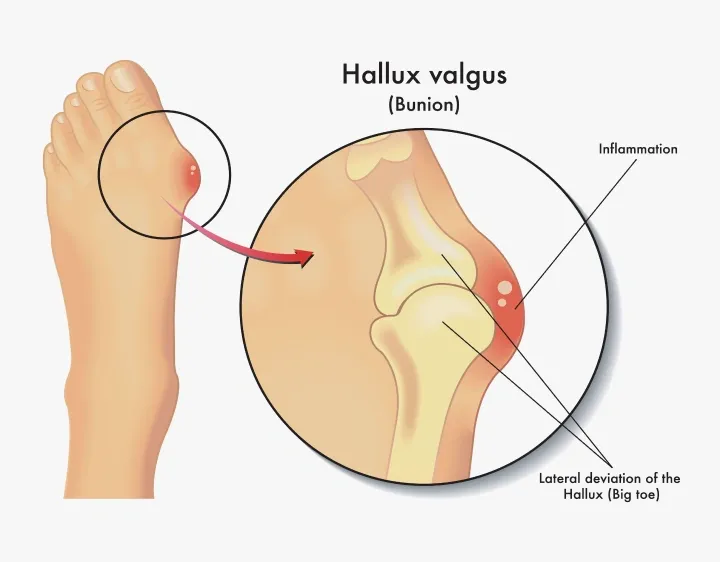
What Are the Types of Bunions?
Bunions can develop at different stages of life and may vary in location and underlying cause. Understanding the type of bunion can help guide assessment and management decisions:
Congenital hallux valgus
This is a type of bunion that is already present at birthJuvenile or adolescent hallux valgus
This refers to a bunion that forms during childhood. Young people aged 10 to 15 who are diagnosed with flat feet are more likely to develop this type of bunion.Tailor’s bunion
Also known as a bunionette, this type of bunion is smaller and develops on the outside at the end of the pinky toe, unlike the regular bunions that form on the big toe.
Who Is Prone to Getting Bunions?
Common risk factors that can increase the chances of developing bunions are:
Genetics
Foot structure is often inherited, and people with flat feet, low arches, or abnormal bone structure may be more prone to developing bunions.Footwear
Wearing high heels and improper footwear, such as tight, narrow shoes that crowd the toes for extended periods, increases the pressure on the big toe.Obesity
Increased body weight puts more pressure on the feet, which may contribute to biomechanical stress and joint misalignment.Chronic Medical Conditions
Rheumatoid arthritis, osteoarthritis, and polio can alter bone and joint alignment, which can then affect how weight is distributed when walking.Age
It is more common among adults, ages 50 and beyond, due to joint degeneration. However, bunions can also occur in teens and young adults.Occupational Pressure
Occupations requiring extensive standing, walking, or repetitive foot stress, like teaching, nursing, and ballet, increase the risk of bunions.Gender
Women are more prone to developing bunions due to naturally weaker foot tendons and ligaments, frequent use of tight or high-heeled shoes, and hormonal changes during pregnancy that can loosen ligaments and flatten the feet.
When Should I See A Bunions Specialist?
Bunions can be painful, unsightly and inconvenient. When it comes to serious and symptomatic cases, you may wish to consult a bunion surgeon in Singapore when you observe the following:
- Causes intense pain
- Interferes with the individual’s capability to wear shoes
- Results in a visible bump on the joint of the big toe
- Limits motions on the foot or on the big toe
While bunions are generally harmless, they cannot go away naturally; thus surgery is essentially the only definitive way to remove bunions.
How Will the Doctor Evaluate My Bunions?
- The orthopaedic doctor will ask you about your symptoms and examine your foot
- He will also order an X-ray of your foot to determine the severity of the condition
What Are the Possible Complications of Bunions?
Though uncommon, having bunions may lead to complications, such as:
Bursitis
This occurs when the small fluid-filled pads that cushion the joints become inflamed.Hammertoe
This refers to the abnormal bend that happens in the middle joint of the toe. This condition is caused by an imbalance of the muscles, ligaments, and tendons that hold the toe straight.Metatarsalgia
A condition wherein the ball of the foot becomes swollen and painful due to being involved in activities such as running and jumping, as well as wearing shoes that are too tight.
What are the Treatment Options for Bunions?
Non-Surgical Bunion Treatments
For mild and early cases, you may be advised to take the following steps to prevent further deterioration of your condition. These include:
- Proper footwear with a wide toe box and avoiding high-heeled shoes
- Use of orthotics such as bunion pads, bunion splints, and toe spacers to temporarily correct the alignment and reduce pain
- Over-the-counter pain medications that can reduce the pain and swelling around the affected big toe
- For severe cases, if you have a lot of pain while walking despite the measures described above, bunion surgery is the only effective way to treat the condition.
- 4-6 weeks of physiotherapy treatment may be given to patients to alleviate the pain and discomfort caused by bunions; though a change in appearance is unlikely.
Axis Orthopaedic Centre provides personalised bunion or bunionette treatment in Singapore – reach out to us for an appointment today.
Surgical Bunion Treatments
Surgery may be required when bunion pain is severe and affects daily activities. Options include:
- Bunion surgeryBunion surgery in Singapore, also known as hallux valgus correction, involves removing the bony bump and correcting the alignment of the big toe joint. Small cuts in the bones will be performed and fixed with small titanium screws to restore the alignment.
- BunionectomyThis is a type of bunion surgery that moves the toes back into their original position. By balancing the muscles around the joint, a bunionectomy ensures that the bunion will not develop again.
- Distal osteotomyThis procedure creates a V-shaped cut on the foot, specifically on the big toe, to correct the bones. Usually, this is a good option for large bunions whereby the toes and midfoot are still in proper alignment.
- Proximal osteotomyIn this procedure, a surgical cut is created near the base of the midfoot towards the ankle to move the bone inward, correcting the bunions.
Axis Orthopaedic Centre offers ‘keyhole’ minimally invasive bunion surgery for mild to moderate bunions. It has the advantage of smaller scars and lesser pain and downtime. Open bunion surgery is recommended for severe cases with very bad malalignment.
How will my recovery after bunion surgery be?
After the Singapore bunion treatment, you will be fitted with a special post-operative shoe to protect the bunion correction and allowed to walk.
You should keep your foot elevated as much as possible for the first few days after surgery to reduce swelling. It is common to have some swelling in your foot for a few months after bunion or bunionette surgery.
Full recovery after bunion surgery may take up to 3-4 months. During this recovery period, you should follow your doctor's instructions about weightbearing, and avoid strenuous physical activities such as running and dancing until he has given you the green light to do so.
What to Expect After Bunion Surgery
Bunion surgery is generally effective, but recovery and long-term results can be affected by several factors, especially the type of surgical method used and adherence to post-operative care.
These factors can affect how well the bone heals. With minimally invasive techniques, the risk of the bone not healing properly (a complication called non-union) is around 0.3%.
Recurrence rates are around 10–30%. However, proper rehabilitation, including physiotherapy and following your surgeon’s instructions, can significantly improve your recovery and help reduce this risk.
At Axis Orthopaedic centre, patients can receive assessment and treatment for bunions and related foot deformities.
Schedule a consulation for a clinical evaluation and suitable treatment options.
FAQs About Bunions
At what age do bunions usually develop?
Bunions may develop at any age, but they commonly occur among adult women and adolescent girls aged 10 to 15.
Can the bunion come back after surgery?
While bunion surgery can definitively correct the deformity, it is still possible for the bunion to recur due to genetic predisposition and/or unaddressed biomechanical factors.
What happens if a bunion is left untreated?
If left untreated, the bunion usually worsens and becomes even more deformed and painful, which can significantly affect your mobility and choice of footwear. It can also increase the risk of other complications such as crossover toes.
How long does bunion surgery take?
Bunion surgery could take anywhere between 30 minutes to an hour depending on the severity of the bunion and what type of bunion surgery is performed.
Can you walk normally after bunion surgery?
In moderate cases, you may be allowed to bear weight on your feet immediately after the surgery, albeit with assistive devices such as a surgical boot, or crutches. However, in severe cases that require a more extensive surgery, patients may have to stay off their feet for up to around two weeks.
Is bunion surgery covered by insurance?
Generally, yes. Medisave and other private health insurance plans usually cover bunion surgery; however, this also depends on the severity of the bunion.
How much does bunion surgery or treatment cost in Singapore?
The cost of bunion surgery and bunion treatments in Singapore can range from a few hundred to a few thousand dollars. This depends on several factors, such as whether you opt for the procedure at a public or private hospital, your insurance coverage, doctor’s fee, facility fee, type of surgery, and so on.
When is bunion surgery recommended?
Bunion surgery is typically recommended when conservative treatments — such as orthotics, footwear modifications, and pain medications — have failed to provide adequate relief. Dr Seng Chusheng may advise surgical intervention when the bunion causes persistent pain that interferes with daily activities, results in significant toe deformity, or limits the range of motion in the big toe joint.
What does bunion surgery involve?
At Axis Orthopaedic Centre, Dr Seng Chusheng performs minimally invasive bunion surgery, which involves correcting the alignment of the bones, tendons, and ligaments of the affected foot through small incisions. This approach is designed to reduce soft tissue disruption, minimise scarring, and support a more comfortable recovery compared to conventional open surgery. The specific technique used will depend on the severity of the deformity and the patient's clinical profile.
How do I arrange a consultation for bunion surgery in Singapore?
You may schedule a consultation with Dr Seng Chusheng at Axis Orthopaedic Centre by calling +65 9711 8888, emailing contact@axisortho.com.sg, or submitting an enquiry through the clinic's website. The clinic is accessible at three locations — Mount Elizabeth Novena Medical Centre, Parkway East Medical Centre, and Mount Alvernia Medical Centre. For overseas patients, teleconsultations via Zoom or WhatsApp can be arranged upon prior request.
Is bunion surgery painful?
Bunion surgery is performed under anaesthesia, so patients do not experience pain during the procedure. Following surgery, some degree of discomfort and swelling is expected and is manageable with prescribed pain relief. Dr Seng Chusheng and the team at Axis Orthopaedic Centre provide structured post-operative care and clear recovery guidelines to ensure patients remain as comfortable as possible throughout the healing process, which typically takes around 3 to 4 months for full recovery.
About Dr Seng Chusheng

Dr Seng Chusheng
About Dr Seng Chusheng
Dr Seng Chusheng is a consultant orthopaedic surgeon at Axis Orthopaedic Centre, specialising in foot and ankle surgery. His expertise includes minimally invasive bunion correction, complex foot and ankle fracture fixation, keyhole ligament reconstruction and cartilage repair. Over the course of his career, he has performed more than a thousand surgeries and manages a broad range of conditions, including general orthopaedic trauma and sport-related knee injuries.
Dr Seng received advanced fellowship training at the Assal Centre in Geneva, Switzerland, focusing on complex deformities, trauma and minimally invasive techniques. Before entering private practice, he served as a consultant orthopaedic surgeon at Singapore General Hospital and continues as a visiting consultant. His dedication to patient care has been recognised with the SingHealth Service With A Heart Award. Actively involved in research and education, Dr Seng regularly presents at local and international conferences and has published extensively in peer-reviewed journals, reflecting his commitment to advancing orthopaedic practice.



Our Orthopaedic Clinic Locations
With three conveniently located clinics across Singapore, Dr Seng provides accessible and comprehensive orthopaedic care closer to where you live and work. Each location is equipped to deliver accurate diagnosis, treatment, and rehabilitation for a wide range of musculoskeletal conditions.
Medical Centre
#06-33
Singapore 329563
Medical Centre
#04-08
Singapore 427989
Medical Centre A
#03-08
Singapore 574623
Teleconsult Available
For foreign patients, a tele-consult on Zoom or WhatsApp can be done if pre-arranged in advance. Please email or WhatsApp first to enquire.
Opening Hours
Contact Details