







Knee Replacement in Singapore

Knee replacement is a surgical procedure in which damaged surfaces of the knee joint are replaced with prosthetic components. It is typically considered when joint damage affects knee function and structural integrity. Read more below:
The knee joint is essential in our ability to walk, run, jump, squat and climb when going about our daily lives. However, several factors, such as ageing, injury, or chronic diseases, can cause damage to the knee, resulting in pain and limited mobility. In severe cases of knee damage, a knee replacement surgery, also known as knee arthroplasty, may be recommended.
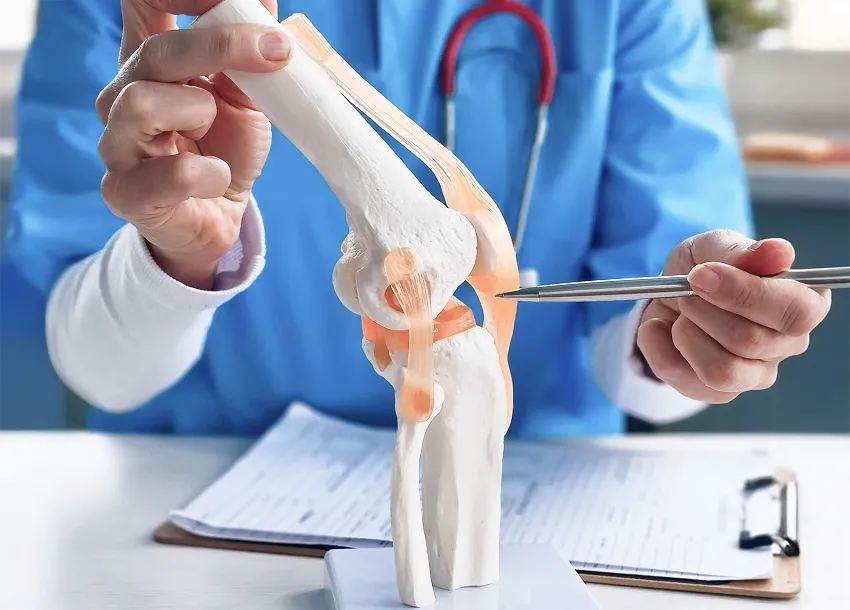
The Anatomy of the Knee
The knee consists of ligaments, tendons, and cartilage, which provide stability, support, and mobility to the knee joint, allowing for smooth and controlled movements. They also protect the joint from excessive stress and impact.
There are three main bones within the knee joint, which are:
- FemurAlso known as the thigh bone, this is the largest and strongest upper leg bone.
- TibiaAlso known as the shin bone, the tibia is a large, weight-bearing bone that supports many muscles, tendons, nerves and ligaments.
- PatellaAlso known as the kneecap, this triangular bone at the front of the knee helps protect the knee joint and supports various muscles, tendons and ligaments.
What is a Knee Replacement Surgery?
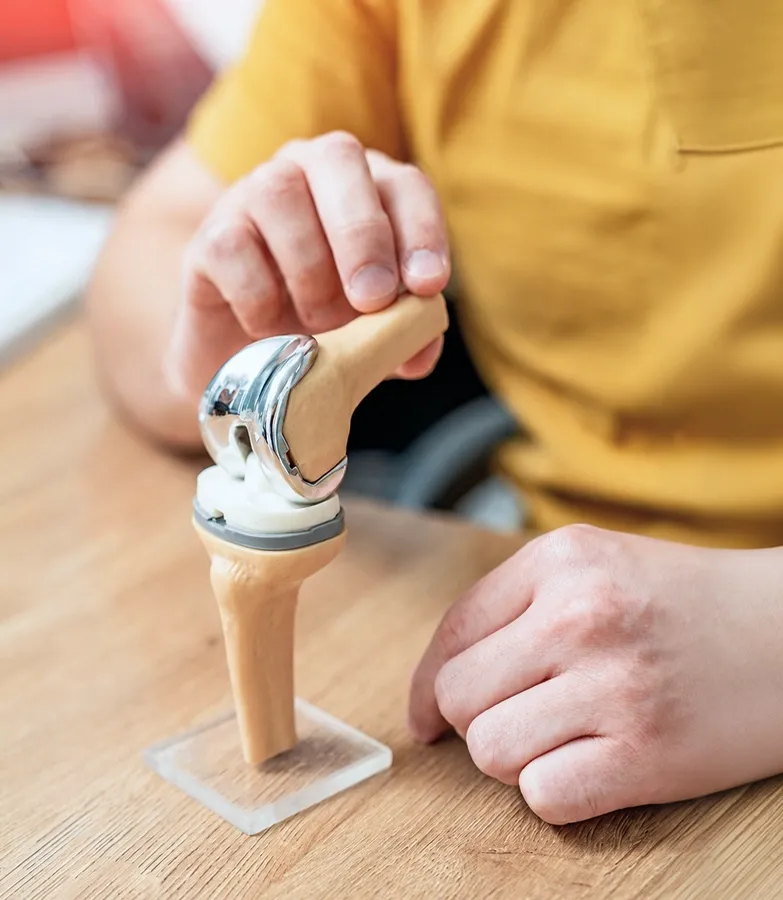
A knee replacement surgery, also known as a knee arthroplasty, is an orthopaedic procedure that involves replacing the damaged or diseased parts of the knee joint with artificial components. This surgery helps relieve knee pain, improve mobility, and restore normal knee function.
During the procedure, the knee surgeon will remove damaged cartilage and bones, and replace them with prosthetic implants made of metal alloys or high-grade plastics. These components mimic the natural structure and function of the knee to allow a smooth and pain-free movement.
Dr Seng Chusheng is an experienced knee replacement surgeon with over 10 years’ experience.
For a detailed knee consultation,
please call us at 9711 8888 today.
Who Needs Knee Replacement Surgery?
Orthopaedic surgeons typically recommend knee replacement surgery when:
- There is severe knee pain or stiffness that significantly affects day-to-day activities, including walking.
- Conservative treatments have not yielded much success in alleviating symptoms and improving function
- There is moderate to severe knee pain even at rest
- There is a severe knee deformity
What Can be Treated with a Knee Replacement?
A knee replacement procedure can effectively treat various conditions, including:
- Knee OsteoarthritisThis degenerative condition arises when the protective cartilage in the knee wears away, resulting in joint pain, stiffness, and reduced mobility.
- Rheumatoid Arthritis (RA)This is a chronic autoimmune disease that can cause pain, swelling and joint deformities in the knee.
- Traumatic InjuryA sudden and forceful impact to the knee can result in acute pain, instability and damage to its structures.
- Knee DeformitiesKnee replacement surgery can be used to treat certain cases of congenital or acquired knee deformities, such as bowed legs or knocked knees.
What Are the Types of Knee Replacement Surgery?
There are several types of knee replacement surgery, depending on the type and severity of the condition to be treated. Common types of knee replacement include:
What Happens After Knee Arthroplasty?
After a knee replacement surgery, the patient will be transferred to a recovery area where their vital signs will be closely monitored. Pain medication and antibiotics will be given to alleviate discomfort and prevent infection. On the day following the surgery, a physiotherapist will assist the patient in standing up and taking a few steps. The length of hospital stay typically ranges between 3 to 5 days.
On average, it takes about four months to return to most activities, and up to a year to fully recover from a knee replacement surgery. By actively participating in rehabilitation (physiotherapy) and following the guidance of your qualified knee surgeon, patients can expect a smooth and predictable recovery.
On average, a successful knee replacement surgery can last between 15 and 20 years.
What Happens Before a Knee Replacement Surgery?

Before proceeding with a knee replacement, your orthopaedic surgeon will perform a physical examination of the knee, as well as arrange for imaging tests, blood tests, and electrocardiography (ECG). Your medical history and list of medications that you are currently taking will also be considered. Your medical team will schedule pre-operative consultations to discuss the procedure, preparatory steps, possible risks, and rehabilitation plans with you.
What to Expect During a Knee Replacement Surgery?
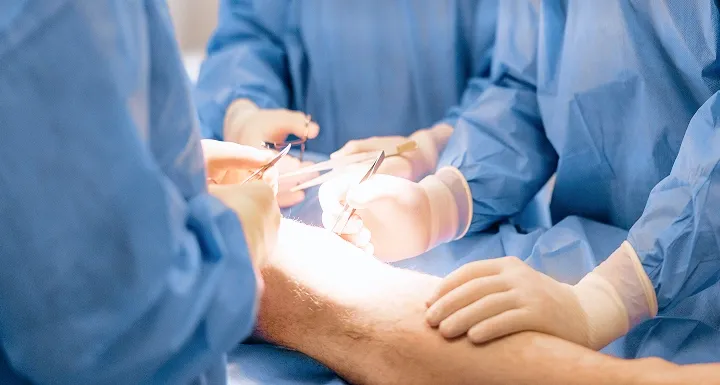
Knee replacement surgery usually takes around 2-3 hours under a general anaesthesia or a spinal block. During the procedure, your knee surgeon will create a cut or incision over the knee joint. Then, they will carefully remove the diseased components and fit the prosthetic components in. Once the implants are in place, your surgeon will close the incision, insert a surgical drain to remove fluid, and wrap your knee with dressing and bandage.
What are the Possible Risks and Complications?
Some possible risks and complications following knee replacement surgery include: infection, blood clot formation, nerve damage, clicking or popping in the knee, as well as a loosened implant. However, in the hands of an experienced surgeon, the risks of these complications arising is very rare.
If you are experiencing severe knee pain, stiffness and limited mobility, seek treatment as soon as possible.
For consultations,
please call us at 9711 8888
FAQs About Knee Replacement Surgery
How Long Does It Take to Recover from a Knee Replacement?
How Can One Manage Pain Caused by Knee Replacement Surgery?
How Long After a Knee Replacement Surgery Can I Walk?
What Should You Avoid After a Knee Replacement Procedure?
About Dr Seng Chusheng

Dr Seng Chusheng
About Dr Seng Chusheng
Dr Seng Chusheng is a consultant orthopaedic surgeon at Axis Orthopaedic Centre, specialising in foot and ankle surgery. His expertise includes minimally invasive bunion correction, complex foot and ankle fracture fixation, keyhole ligament reconstruction and cartilage repair. Over the course of his career, he has performed more than a thousand surgeries and manages a broad range of conditions, including general orthopaedic trauma and sport-related knee injuries.
Dr Seng received advanced fellowship training at the Assal Centre in Geneva, Switzerland, focusing on complex deformities, trauma and minimally invasive techniques. Before entering private practice, he served as a consultant orthopaedic surgeon at Singapore General Hospital and continues as a visiting consultant. His dedication to patient care has been recognised with the SingHealth Service With A Heart Award. Actively involved in research and education, Dr Seng regularly presents at local and international conferences and has published extensively in peer-reviewed journals, reflecting his commitment to advancing orthopaedic practice.



Our Orthopaedic Clinic Locations
With three conveniently located clinics across Singapore, Dr Seng provides accessible and comprehensive orthopaedic care closer to where you live and work. Each location is equipped to deliver accurate diagnosis, treatment, and rehabilitation for a wide range of musculoskeletal conditions.
Medical Centre
#06-33
Singapore 329563
Medical Centre
#04-08
Singapore 427989
Medical Centre A
#03-08
Singapore 574623
Teleconsult Available
For foreign patients, a tele-consult on Zoom or WhatsApp can be done if pre-arranged in advance. Please email or WhatsApp first to enquire.
Opening Hours
Contact Details