




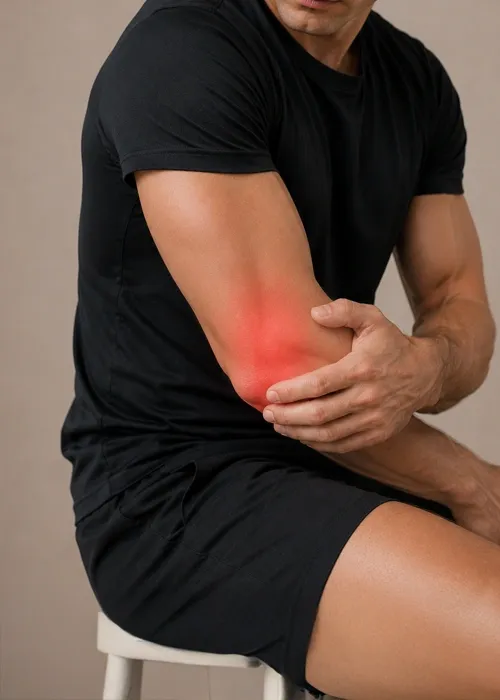


Common Causes of Everyday Injuries and How to Prevent Them

Most people expect injuries to happen during sports, exercise, or accidents. However, pain and strain can also develop during simple daily activities such as walking, bending down, carrying groceries or climbing stairs. When these injuries keep happening repeatedly, even routine movements can start to feel frustrating and physically exhausting.
Recurring injuries during everyday activities are often a sign that the body is under more strain than it can comfortably manage. Understanding the possible causes, recognising early warning signs, and learning how to reduce excessive strain may help prevent ongoing discomfort and support long-term mobility and joint health.
Key Takeaways

- Everyday injuries can develop from walking, bending, lifting, or climbing stairs.
- Common causes include repetitive strain, poor posture, muscle weakness, and previous injuries.
- Recurring pain, stiffness, or instability may indicate excessive strain on the muscles or joints.
- Good posture, muscle strengthening, proper recovery, and supportive footwear may help reduce injuries.
Common Causes of Everyday Injuries
Everyday injuries are often caused by repeated physical strain rather than a single major accident. Over time, simple daily movements may place stress on the muscles, joints, tendons, and surrounding tissues, especially when the body is not recovering adequately.
Poor Posture and Movement Habits
Improper lifting techniques, prolonged sitting, repetitive movements, or poor posture may place excessive strain on areas such as the neck, back, knees and ankles. Over time, this may contribute to recurring discomfort or conditions associated with knee pain and joint strain.
Muscle Weakness and Joint Instability
Weak muscles or unstable joints may reduce the body’s ability to support movement properly, increasing the risk of strains, falls and recurring injuries. Individuals with joint instability may also be more prone to recurring ankle sprains during routine activities such as walking on uneven surfaces or climbing stairs.
Overuse and Repetitive Strain
Repeated movements performed over long periods without adequate rest may gradually overload the muscles and joints, leading to inflammation, fatigue and discomfort. This may contribute to conditions such as heel pain (plantar fasciitis), particularly in individuals who spend long hours standing or walking.
Previous Injuries
Past injuries that have not fully healed may affect movement patterns and place additional stress on surrounding muscles and joints, increasing the likelihood of re-injury.
Ageing and Reduced Recovery
As the body ages, flexibility, muscle strength, and recovery capacity may gradually decline. This can make everyday activities feel more physically demanding over time.
Signs Your Body May Be Under Excessive Strain
Occasional soreness after physical activity is common. However, when discomfort begins occurring repeatedly during routine activities or takes longer to recover, it may be a sign that the body is under excessive strain.
Some warning signs to look out for include:
- Recurring muscle or joint discomfort
- Frequent strains or minor injuries
- Stiffness during everyday movements
- Pain that worsens with activity
- Reduced mobility or flexibility
- Symptoms that improve temporarily before returning again
- Swelling or joint instability
- Difficulty walking, climbing stairs, or lifting objects comfortably
How Recurring Injuries Develop Over Time
Recurring injuries often develop gradually rather than suddenly. Repeated strain on the muscles and joints may cause small amounts of tissue stress that accumulate over time, especially when the body does not have enough time to recover properly.
Poor movement patterns, weak supporting muscles, and repeated overuse may also cause the body to compensate during everyday activities. This may place additional pressure on surrounding joints and muscles, increasing the likelihood of recurring pain, inflammation, and injury.
How to Reduce the Risk of Everyday Injuries
Reducing the risk of everyday injuries often involves improving movement habits and reducing excessive strain on the muscles and joints during daily activities.
The following habits may help reduce recurring injuries over time:
- Maintain good posture during sitting, standing, and lifting activities to reduce unnecessary strain on the neck, back, knees, and ankles.
- Strengthen supporting muscles to improve joint stability and movement control during routine activities.
- Improve flexibility and mobility through regular stretching and movement exercises.
- Avoid repetitive overuse by taking breaks during prolonged physical tasks or repetitive movements.
- Wear supportive footwear to improve balance and reduce stress on the feet, knees, and ankles.
- Allow proper recovery after injury before returning to strenuous activities or repetitive movement.
- Modify activities when needed if certain movements repeatedly trigger discomfort or strain.
When to Seek Medical Attention for Recurring Injuries
Occasional soreness or minor strain after physical activity is common and often improves with rest. However, recurring injuries or persistent discomfort affecting everyday movement may require medical evaluation to identify possible underlying issues.
Medical attention may be important if you experience:
- Pain lasting several weeks
- Recurring injuries affecting the same area
- Ongoing swelling or instability
- Difficulty walking or climbing stairs
- Pain during routine activities such as lifting or bending
- Reduced mobility that interferes with daily activities
- Symptoms that continue returning despite rest
Persistent pain, repeated injuries, or ongoing instability may sometimes indicate muscle imbalance, joint strain, ligament problems, or incomplete recovery from previous injuries.
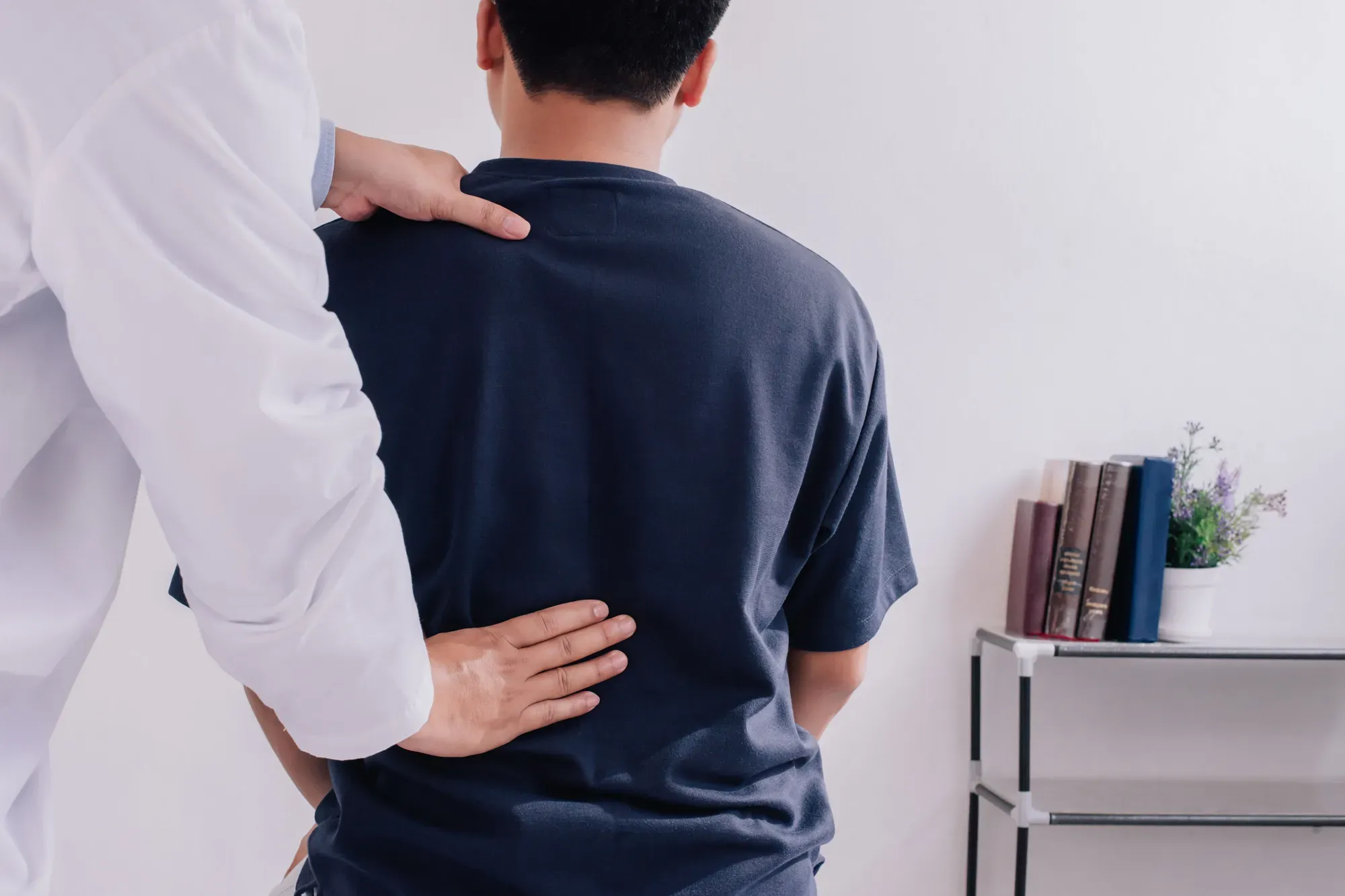
Preventing Long-Term Strain and Recurring Injuries
Recurring injuries during everyday activities should not always be dismissed as normal strain or ageing. Persistent discomfort, repeated injuries, or reduced mobility may sometimes indicate underlying muscle or joint issues that require further attention.
Early assessment and appropriate management may help reduce ongoing strain, improve recovery, and support long-term mobility and joint health.
Axis Orthopaedic Centre is an orthopaedic clinic in Singapore dedicated to helping patients stay active and mobile through personalised care for muscle, joint, foot, ankle and knee conditions. Dr Seng Chusheng has performed more than a thousand orthopaedic procedures and has extensive experience managing recurring injuries and lower limb conditions.
If you continue to experience persistent pain or repeated injuries during everyday activities, schedule a consultation with us to discuss appropriate treatment options.
FAQs About Preventing Everyday Injuries
Is it safe to continue exercising with recurring discomfort?
Do recurring injuries always require surgery?
What happens during an orthopaedic evaluation for recurring injuries?
Can poor posture cause recurring injuries?
How long should soreness last after physical activity?

Dr Seng Chusheng
Senior Consultant Orthopaedic Surgeon (Sports & Exercise Medicine)
MBBS (Singapore), MRCS (Edinburgh), MMed (Orth), FRCS (Edinburgh)
Dr Seng Chusheng is a consultant orthopaedic surgeon with a clinical focus on foot and ankle surgery as well as knee surgery. He obtained his MBBS and Master of Medicine in Orthopaedic Surgery from the National University of Singapore and is a Fellow of the Royal College of Surgeons of Edinburgh.
He completed advanced training at the Assal Centre in Geneva, Switzerland, with emphasis on complex foot and ankle deformities, trauma and minimally invasive techniques. Prior to private practice, Dr Seng served as a consultant orthopaedic surgeon at Singapore General Hospital and continues to practise there as a visiting consultant. He is also involved in orthopaedic research, with publications in peer-reviewed journals and has received the Japanese Orthopaedic Association Travelling Fellowship.



Our Orthopaedic Clinic Locations
With three conveniently located clinics across Singapore, Dr Seng provides accessible and comprehensive orthopaedic care closer to where you live and work. Each location is equipped to deliver accurate diagnosis, treatment, and rehabilitation for a wide range of musculoskeletal conditions.
Medical Centre
#06-33
Singapore 329563
Medical Centre
#04-08
Singapore 427989
Medical Centre A
#03-08
Singapore 574623
Teleconsult Available
For foreign patients, a tele-consult on Zoom or WhatsApp can be done if pre-arranged in advance. Please email or WhatsApp first to enquire.
Opening Hours
Contact Details