



Comprehensive Guide to Patella Fractures (Kneecap Fractures)

A patella fracture, commonly referred to as a kneecap fracture, is a serious injury that can significantly impair knee function and mobility. As a crucial component of the extensor mechanism, the patella plays an essential role in leg movement and stability. Injuries to this bone require precise diagnosis and expert treatment to ensure proper healing.
At Axis Orthopaedic Centre, Dr Seng Chusheng, a highly trained orthopaedic surgeon, specialises in managing complex knee injuries, including patella fractures, using advanced techniques tailored to each patient.
What Is a Patella Fracture?
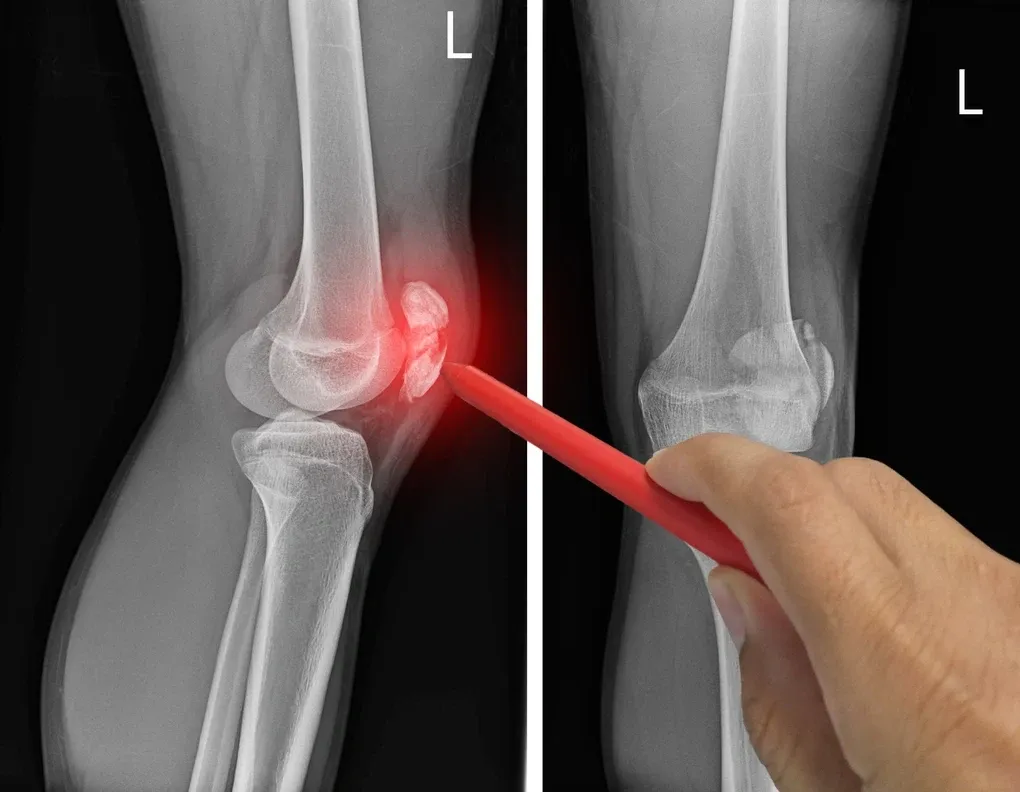
A patella fracture is a break in the kneecap, a small, triangular bone located at the front of the knee. The patella acts as a protective shield and improves the leverage of the thigh muscles during leg extension. A fracture to the patella occurs due to trauma, such as:
- A direct blow to the knee (e.g. fall or collision)
- High-impact injuries (e.g. road traffic accidents)
- Sudden forceful contraction of the quadriceps muscle
Patella fractures can range from small cracks to complete breaks and may be displaced (bones separated) or non-displaced (bones aligned).
Types of Patella Fractures
Kneecap fractures are classified based on the fracture pattern and whether the bone fragments are out of alignment (displaced). Common types include:
- Stable (Non-Displaced) Fracture: The bone fragments remain properly aligned, maintaining structural stability despite the break.
- Displaced Fracture: The bone fragments are misaligned or separated, often requiring realignment or surgical intervention.
- Comminuted Fracture: The bone is shattered into three or more fragments, typically resulting from high-impact trauma and often necessitating surgical repair.
- Open (Compound) Fracture: The broken bone pierces through the skin, significantly increasing the risk of infection and requiring urgent medical attention.
Symptoms of a Patella Fracture
The most common symptoms of a patella fracture are swelling and severe pain in the front of the knee. Other accompanying symptoms may include:
- Swelling and bruising
- Inability to straighten the knee or lift the leg
- Difficulty walking or bearing weight
- A visible deformity or open wound in severe cases
How Common are Patella Fractures?
Although not as common as other long bone injuries, patella fractures account for about 1% of all skeletal injuries. They are more frequent in adults between the ages of 20 and 50, particularly following high-impact trauma or sports-related accidents.
When to See a Specialist
Seek immediate medical attention if you:
- Hear a crack or pop after trauma to the knee
- Experience swelling, bruising, or inability to move the knee
- Cannot bear weight or straighten your leg
Early diagnosis and intervention reduce the risk of complications and ensure a better outcome.
Diagnosis and Imaging
Orthopaedic surgeons typically perform a physical examination and imaging tests to diagnose patella fractures accurately. During the physical exam, they will check for signs such as swelling, bruising, tenderness, and the ability to straighten the knee. X-rays are usually the first imaging option, offering insight into the type, location, and extent of the fracture. When more detailed information is needed, especially in complex or comminuted cases, a CT scan may be recommended for a clearer view.
Treatment Options
Treatment for patella fracture varies significantly based on the fracture's severity, as well as other factors like the patient’s age, overall health, and other individual factors.
Non-Surgical Management
Stable or non-displaced fractures can often be managed with conservative treatments. Key components of non-surgical management include:
- Immobilisation: A knee brace or plaster cast is used to stabilise the affected limb and prevent movement that could interfere with bone healing.
- Pain Management: Analgesics and non-steroidal anti-inflammatory drugs (NSAIDs) are commonly prescribed to manage pain and reduce swelling.
- Physiotherapy: A structured rehabilitation programme is initiated once the bone begins to heal. This aims to restore full function and prevent stiffness or muscle atrophy.
Surgical Treatments
Displaced, comminuted, or open fractures usually require surgical intervention. Dr Seng performs:
- Open Reduction and Internal Fixation (ORIF): The most common approach for unstable fractures, ORIF involves repositioning and securing bone fragments with screws or wires to promote healing.
- Partial Patellectomy: For severely damaged sections of the patella, a partial removal may be performed. This procedure aims to preserve knee function while reducing pain and instability.
- Total Patellectomy: In rare cases of irreparable patellar fractures, a total patellectomy may be performed to relieve pain and restore basic mobility.
Recovery and Rehabilitation
Recovery time depends on the severity of the fracture and the treatment method used. Most patients can expect:
- 6-8 weeks of bone healing
- Gradual reintroduction of knee movement with physiotherapy
- Full return to normal activities within 3-6 months
To support a smoother recovery and minimise the risk of long-term complications like stiffness or chronic pain, orthopaedic surgeon Dr Seng tailors each rehabilitation plan to the individual’s needs.
Why Consult Dr Seng Chusheng for Patella Fractures?
With advanced training in orthopaedic trauma and sports injuries, Dr Seng offers expert care for patella fractures using the latest surgical techniques and minimally invasive approaches. At Axis Orthopaedic Centre, we put patients first by delivering personalised treatment plans, attentive follow-ups, and compassionate care every step of the way.
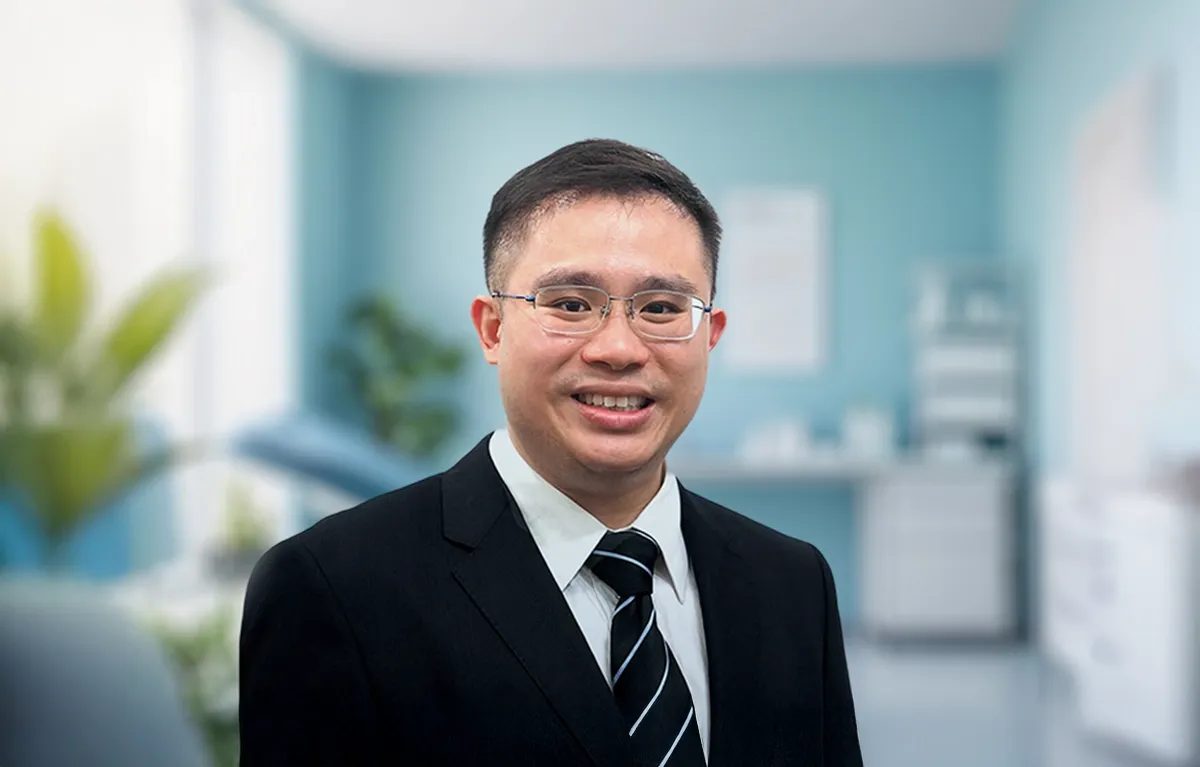
Dr Seng Chusheng
Senior Consultant Orthopaedic Surgeon (Sports & Exercise Medicine)
MBBS (Singapore), MRCS (Edinburgh), MMed (Orth), FRCS (Edinburgh)
Dr Seng Chusheng is an orthopaedic surgeon in Singapore with a clinical focus on minimally invasive foot surgery, including bunions and other foot deformities. He has over 10 years of experience and adopts a patient-centred approach, tailoring treatment plans to individual clinical needs.
Before entering private practice, Dr Seng was a consultant orthopaedic surgeon at Singapore General Hospital, where he received the SingHealth Service With A Heart Award. He has also presented at orthopaedic conferences, including the American Academy of Orthopaedic Surgeons Annual Scientific Meeting.



Our Orthopaedic Clinic Locations
With three conveniently located clinics across Singapore, Dr Seng provides accessible and comprehensive orthopaedic care closer to where you live and work. Each location is equipped to deliver accurate diagnosis, treatment, and rehabilitation for a wide range of musculoskeletal conditions.
Medical Centre
#06-33
Singapore 329563
Medical Centre
#04-08
Singapore 427989
Medical Centre A
#03-08
Singapore 574623
Teleconsult Available
For foreign patients, a tele-consult on Zoom or WhatsApp can be done if pre-arranged in advance. Please email or WhatsApp first to enquire.
Opening Hours
Contact Details