


Orthopaedic Trauma Explained: Injuries, Causes and Care

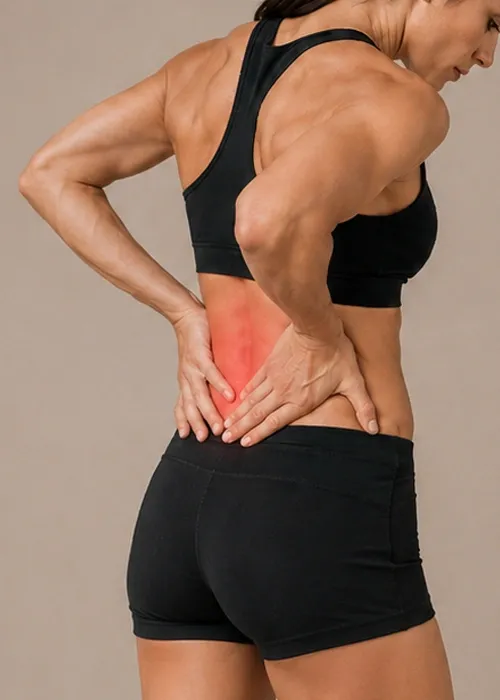
Orthopaedic trauma involves injuries to the musculoskeletal system, including the bones, joints, muscles, ligaments and tendons. Such injuries are commonly caused by external forces like falls, motor vehicle accidents, sports injuries or direct impact to the body.
While some cases are mild and respond well to non-surgical treatment, others are more severe. Complex orthopaedic trauma often requires timely medical intervention to promote proper healing, prevent complications and restore movement and function.
What Are The Common Types of Orthopaedic Trauma?
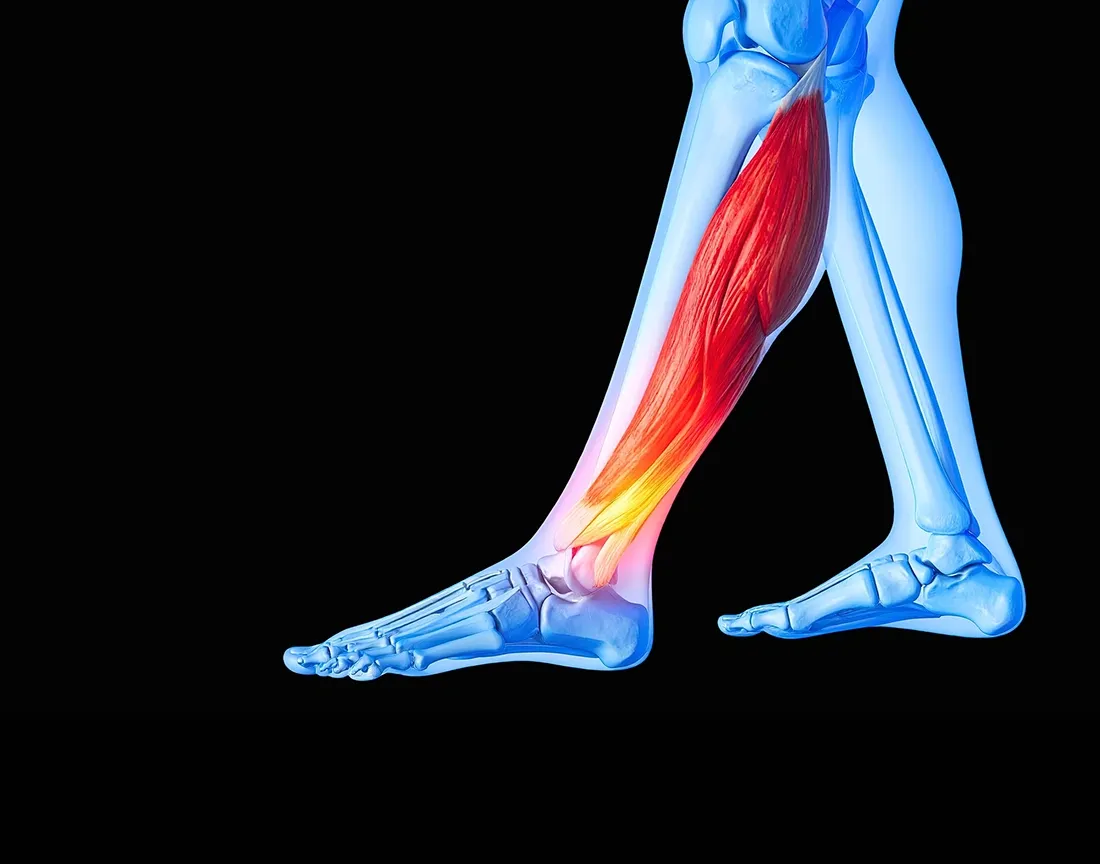
Orthopaedic trauma encompasses a wide spectrum of injuries, ranging from simple fractures to severe multi-system damage. Each type requires a specific approach to diagnosis and treatment.
Fractures
A fracture is a partial or complete break in a bone. Fractures are the most common type of orthopaedic trauma and can occur in any bone in the body, such as the hand, wrist, arm, hip, ankle or spine. They are classified by their pattern and severity:
Closed (Simple) Fracture
The bone breaks but does not pierce the skin.
Open (Compound) Fracture
The broken bone punctures the skin, creating an open wound and increasing the risk of infection.
Comminuted Fracture
The bone shatters into three or more pieces. These complex fractures often require surgical intervention.
Stable Fracture
The broken ends of the bone line up and are barely out of place.
Greenstick Fracture
A partial break where the bone bends on one side and cracks on the other. This type is common in children, whose bones are more flexible.
Stress Fractures
Tiny cracks in a bone caused by repetitive force or overuse, often seen in athletes.
Avulsion Fracture
A small piece of bone attached to a tendon or ligament is pulled away from the main part of the bone.
Joint Dislocations
A dislocation occurs when the bones that form a joint are forced out of their normal alignment. This injury often results from high-impact trauma or sudden twisting movements. Joints commonly affected include the shoulder, knee, hip and fingers.
In some cases, the bones shift only partially out of place. This is known as a subluxation and may still cause pain, instability and reduced joint function.
Sprains and Ligament Injuries
Sprains affect ligaments, the strong bands of tissue that connect bones within a joint. They occur when a ligament is overstretched or torn. The ankles, knees and wrists are most commonly involved. In more severe cases, a sprain may include a complete ligament tear, such as an anterior cruciate ligament (ACL) injury in the knee.
Tendon Injuries
Tendons are the tough, flexible tissues that connect muscles to bones. A strain involves the overstretching or tearing of a muscle or tendon. In more severe cases, a tendon can rupture completely, such as an Achilles tendon rupture.
Soft Tissue Injuries
These include damage to muscles, ligaments and tendons that does not involve a bone fracture. Bruises (contusions) and strains are common types. These injuries can range from minor to severe, sometimes requiring significant medical intervention.
Multi-Region or Complex Trauma
In some cases, injuries affect more than one limb or multiple parts of the skeleton at the same time. This pattern is often seen after high-energy trauma, such as serious road traffic accidents. Examples include pelvic fractures, spinal cord injuries and multiple fractures involving different limbs.
What Are Some Common Causes of Orthopaedic Trauma?
Orthopaedic trauma can result from a wide range of incidents, including:
Vehicle Accidents
Collisions involving cars, motorcycles or pedestrians are a leading cause of severe fractures and dislocations.
Falls
Slips or falls from height may cause fractures, especially in older adults with osteoporosis.
Sports Injuries
High-impact or contact sports can increase the risk of fractures, dislocations, sprains and ligament tears.
Workplace Accidents
Construction or industrial settings involving heavy machinery pose a risk of complex injuries.
Violence
Physical assaults or direct blows can result in significant musculoskeletal damage.
The severity of trauma depends on factors such as the force involved, patient age, bone quality and underlying health conditions.
What Are The Symptoms of Orthopaedic Trauma?
Symptoms may vary depending on the location and severity of the injury. Common signs include:
- Severe pain at the site of the injury.
- Swelling, bruising or tenderness.
- A visible deformity, such as a limb appearing bent or out of place.
- Inability to move the affected joint or bear weight on the limb.
- Restricted range of motion.
- A cracking or popping sound at the time of injury.
- Numbness or tingling sensations, which may indicate nerve damage.
- An open wound with bone protrusion (in the case of an open fracture).
How Is Orthopaedic Trauma Assessed?
Assessment of orthopaedic trauma usually starts with a careful clinical evaluation, followed by imaging studies to confirm the diagnosis and determine the extent of injury.
Physical Examination
The doctor examines the injured area for pain, swelling, deformity and restricted movement. Nerve function, blood flow and skin condition are also assessed to identify potential complications.
Imaging Studies
Imaging plays a key role in visualising internal damage that may not be apparent on physical examination. Different imaging methods are used depending on the type and severity of injury.
X-rays
X-rays are often the first imaging test performed. They help identify fractures, dislocations and alignment issues in the bones.
Computed Tomography (CT) Scans
CT scans provide detailed cross-sectional images of bone structures. They are particularly useful for evaluating complex fractures, especially those involving joints.
Magnetic Resonance Imaging (MRI) Scans
MRI scans are used to assess soft tissue injuries. They allow detailed visualisation of ligaments, tendons, cartilage and muscles that cannot be seen on X-rays.
Treatment Options for Orthopaedic Trauma
Treatment depends on the type and severity of the injury. An orthopaedic surgeon will determine the most appropriate course of action to promote healing and restore function.
Non-Surgical Management
Many orthopaedic injuries can be treated effectively without surgery, particularly less severe or stable fractures and soft tissue injuries. In such scenarios, some of the non-surgical options include:
Immobilisation
Minor fractures, sprains and strains can often be treated by immobilising the affected area with a cast, splint or brace. This restricts movement and allows the injury to heal correctly.
Reduction (Realignment)
For certain fractures and dislocations, a doctor can manually realign the bones or joints without surgery. This procedure is called a closed reduction. After realignment, a cast or splint is applied.
Medications
Pain relievers, anti-inflammatory drugs and antibiotics (for open fractures) are used to manage symptoms and prevent complications like infection.
Physiotherapy
Once it is safe to do so, a physiotherapist will guide you through specific exercises to restore movement, strength and function to the injured area.
Surgical Management
Surgery is often considered for severe injuries, such as open fractures, comminuted fractures, or when non-surgical methods are insufficient. The goal is to stabilise the bones and joints to allow for proper healing.
Open Reduction and Internal Fixation (ORIF)
This procedure involves making an incision to realign a fractured bone. The surgeon then uses metal plates, screws or rods to hold the bone fragments in place while they heal.
External Fixation
A surgeon places pins or screws into the bone on both sides of the fracture. These pins are then connected to a metal framework outside the body, which stabilises the bone. This is often a temporary solution for severe open fractures.
Joint Reconstruction or Replacement
For severe joint injuries or when post-traumatic arthritis leads to significant damage, surgery may involve joint reconstruction or complete joint replacement.
Arthroscopy
This is a minimally invasive surgical procedure used to diagnose and treat joint problems.
When to Seek Medical or Orthopaedic Attention
It is advisable to seek urgent medical attention if any of the following occur:
- Severe pain, significant swelling or a visible deformity.
- An open wound where bone is visible.
- Inability to move a limb or bear weight on it.
- Numbness, weakness or a "pins and needles" sensation in the injured area.
- Any injury resulting from a high-impact event, such as a car crash or a fall from a height.
Extensive Expertise in Orthopaedic Trauma Treatments
Orthopaedic trauma can have a significant impact on your life, depending on the severity of the injury. Thankfully, with proper medical care and rehabilitation, it is possible to regain function and return to your daily activities.
Axis Orthopaedic Centre provides a full range of services focused on accessible care for patients experiencing pain, injury, or mobility issues that affect quality of life. Dr Seng Chusheng ensures that every patient is well taken care of and treatment plans are centred around their needs and preferences. The same dedication that won him the SingHealth Service With A Heart Award as a Consultant Orthopaedic Surgeon at Singapore General Hospital, prior to his private practice. Schedule a consultation with us for a personalised assessment and treatment for orthopaedic trauma.

Dr Seng Chusheng
Senior Consultant Orthopaedic Surgeon (Sports & Exercise Medicine)
MBBS (Singapore), MRCS (Edinburgh), MMed (Orth), FRCS (Edinburgh)
Dr Seng Chusheng is an orthopaedic surgeon in Singapore with a clinical focus on minimally invasive foot surgery, including bunions and other foot deformities. He has over 10 years of experience and adopts a patient-centred approach, tailoring treatment plans to individual clinical needs.
Before entering private practice, Dr Seng was a consultant orthopaedic surgeon at Singapore General Hospital, where he received the SingHealth Service With A Heart Award. He has also presented at orthopaedic conferences, including the American Academy of Orthopaedic Surgeons Annual Scientific Meeting.



Our Orthopaedic Clinic Locations
With three conveniently located clinics across Singapore, Dr Seng provides accessible and comprehensive orthopaedic care closer to where you live and work. Each location is equipped to deliver accurate diagnosis, treatment, and rehabilitation for a wide range of musculoskeletal conditions.
Medical Centre
#06-33
Singapore 329563
Medical Centre
#04-08
Singapore 427989
Medical Centre A
#03-08
Singapore 574623
Teleconsult Available
For foreign patients, a tele-consult on Zoom or WhatsApp can be done if pre-arranged in advance. Please email or WhatsApp first to enquire.
Opening Hours
Contact Details