







Plantar Fasciitis: Why Heel Pain Keeps Coming Back

In Singapore, many adults spend long hours on their feet as part of daily life, from commuting on public transport to prolonged standing at work or regular physical activity. Over time, repeated stress on the feet can place strain on the structures around the heel and cause pain.
For some people, heel pain may come and go. However, if the discomfort keeps recurring, particularly as a sharp pain under the heel or during the first few steps after resting, it may be a sign of plantar fasciitis, one of the most common causes of chronic heel pain in adults.
What is Plantar Fasciitis and Why Does it Recur?
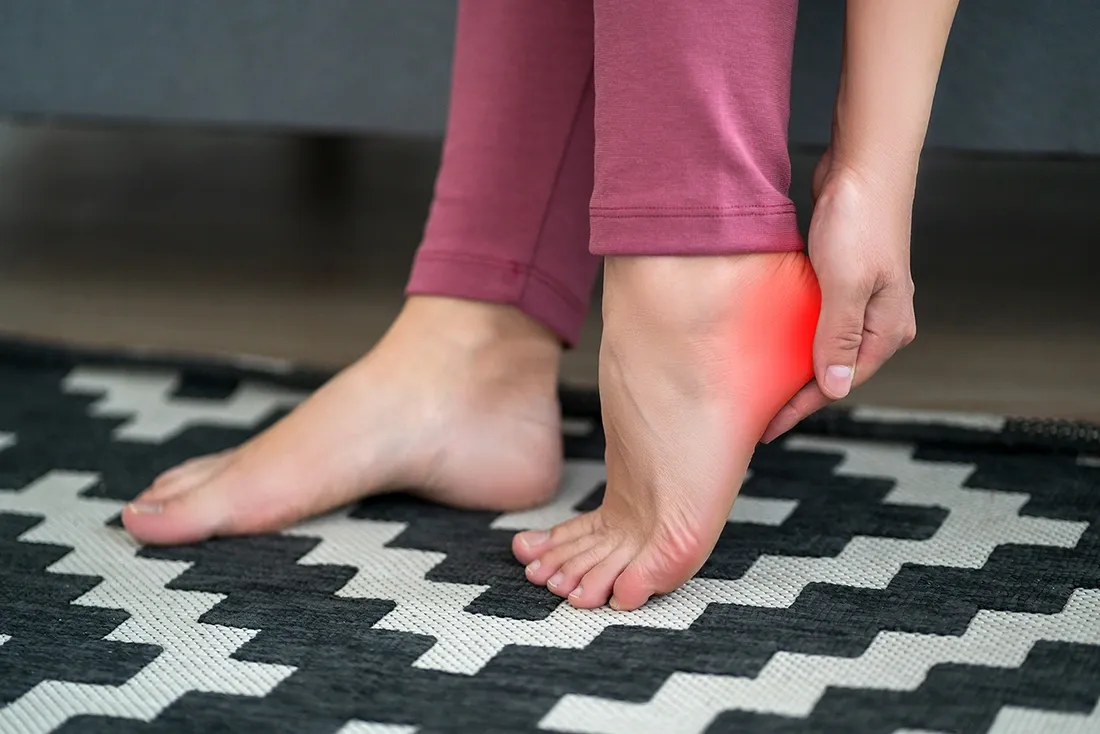
Plantar fasciitis is a heel condition that develops when the plantar fascia, a band of connective tissue along the bottom of the foot, becomes irritated, degenerates or tears due to repeated strain. It is one of the most common causes of heel pain, affecting around 1 in 10 people, most often adults aged 40 to 60. Because this plantar fascia supports the entire arch of the foot, damage can lead to significant discomfort.
Plantar fasciitis symptoms are often most noticeable after periods of rest, such as first thing in the morning or after prolonged sitting. The pain tends to ebb and flow, potentially flaring up after:
- Spending an extended period on your feet
- Walking for a longer distance than you’re used to
- Climbing stairs
- Crouching
How Do Orthopaedic Doctors Address Plantar Fasciitis?
Plantar fasciitis is often treatable, but the right approach depends on how long the symptoms have been present, how severe the pain is, and whether daily activities are being affected. If you experience any of the following over a sustained period, you should consider consulting an orthopaedic specialist:
- Pain, swelling or tension that persists for multiple days with little improvement
- Recurrent ankle sprains or a feeling of instability when walking
- Difficulty bearing weight or performing daily activities
- Aching that occurs when resting or immediately after rest
- Visible deformity or inflammation of the foot or ankle
These symptoms might indicate that more severe damage has been done to the plantar fascia, and that an orthopaedic doctor might suggest treatment.
In most cases, treatment starts with conservative methods, which focus on pain relief and correcting contributing factors. However, if symptoms persist despite consistent care, more advanced options such as surgical treatments may be considered to address chronic irritation and restore function.
Conservative Plantar Fasciitis Treatments
Some cases of plantar fasciitis improve with conservative treatment, such as the following:
Rest and Recovery
Rest and activity modification allow the plantar fascia time to heal. The RICE approach: rest, ice, compression, and elevation, may help reduce inflammation and manage pain. Supportive measures such as taping, night splints, appropriate footwear, or custom-made orthotics may also help reduce strain on the plantar fascia.
Physiotherapy
Physiotherapy focuses on stretching the plantar fascia, calf muscles and Achilles tendon to reduce tension at the heel. Strengthening surrounding muscles helps improve ankle stability and absorb impact, reducing repeated stress on the plantar fascia and lowering the risk of ongoing heel pain.
Injections
Injections may be considered when symptoms persist despite other treatments. Options include steroid injections to reduce inflammation and ultrasound-guided platelet-rich plasma injections, which use the patient’s own blood components to support tissue healing in the affected area.
Extracorporeal Shock Wave Therapy
Extracorporeal shock wave therapy is a non-invasive treatment method that takes place in short sessions. Shock waves are directed towards the plantar fascia to promote healthy tissue recovery.
Surgical Plantar Fasciitis Treatments
If your symptoms are not improving or are affecting your lifestyle severely, an orthopaedic clinic may offer heel pain treatment options, such as the following:
Tenex Procedure
The Tenex procedure is a minimally invasive surgery, where a probe is guided into the inflamed tissue using ultrasound imaging. It then releases high-frequency vibrations to break down the diseased or damaged tissue.
Endoscopic Plantar Fasciotomy (EPF)
Endoscopic plantar fasciotomy (EPF) is another minimally invasive procedure, where a surgeon makes several small incisions and inserts an endoscope to observe the plantar fascia. They then cut a small portion in order to release tension and alleviate the pain.
How Can I Reduce My Risk of Heel Pain?
Heel pain can develop for many different reasons, ranging from temporary strain to underlying conditions that worsen over time. Some of the most common factors are:
- Overexertion of muscles during sports or exercise
- Wearing poorly fitted shoes that apply pressure to the foot
- Musculoskeletal disorders such as arthritis
- Obesity
- A sudden increase in strenuous activity
- Having an abnormal gait
- Spending long periods standing on hard flooring
Regularly experiencing these factors may eventually lead to the development of chronic conditions such as plantar fasciitis, resulting in long-lasting effects on the body.
Relieve Heel Pain with Axis Orthopaedic Centre
When persistent heel pain does not improve, it should not be ignored. An accurate assessment by an orthopaedic specialist can help confirm whether plantar fasciitis is the cause and guide appropriate treatment to support long-term recovery. Timely evaluation from an orthopaedic specialist allows underlying issues to be identified and managed appropriately, helping to restore function, reduce strain on other joints and support a safe return to daily activities.
At Axis Orthopaedic Centre, we provide evidence-based care focused on relieving heel pain and restoring foot function. Led by Dr Seng Chusheng, our team offers thorough assessment and personalised treatment plans to help you return to an active lifestyle safely. Book a consultation for a comprehensive heel evaluation tailored to your condition.

Dr Seng Chusheng
Senior Consultant Orthopaedic Surgeon (Sports & Exercise Medicine)
MBBS (Singapore), MRCS (Edinburgh), MMed (Orth), FRCS (Edinburgh)
Dr Seng Chusheng is an orthopaedic surgeon in Singapore with a clinical focus on minimally invasive foot surgery, including bunions and other foot deformities. He has over 10 years of experience and adopts a patient-centred approach, tailoring treatment plans to individual clinical needs.
Before entering private practice, Dr Seng was a consultant orthopaedic surgeon at Singapore General Hospital, where he received the SingHealth Service With A Heart Award. He has also presented at orthopaedic conferences, including the American Academy of Orthopaedic Surgeons Annual Scientific Meeting.



Our Orthopaedic Clinic Locations
With three conveniently located clinics across Singapore, Dr Seng provides accessible and comprehensive orthopaedic care closer to where you live and work. Each location is equipped to deliver accurate diagnosis, treatment, and rehabilitation for a wide range of musculoskeletal conditions.
Medical Centre
#06-33
Singapore 329563
Medical Centre
#04-08
Singapore 427989
Medical Centre A
#03-08
Singapore 574623
Teleconsult Available
For foreign patients, a tele-consult on Zoom or WhatsApp can be done if pre-arranged in advance. Please email or WhatsApp first to enquire.
Opening Hours
Contact Details