


Are You at Risk of Tennis Elbow?
Have you ever felt a stubborn ache on the outside of your elbow that won’t go away? You may assume it’s just a minor strain, but it could be something more common than you think: tennis elbow. Despite its name, you don’t need to play tennis to develop it. Everyday movements, from carrying shopping bags to working long hours at a desk, can gradually put stress on the elbow and lead to pain.
Fortunately, understanding what causes tennis elbow can make a big difference in managing it before it starts disrupting your routine. Let’s take a closer look at what this condition is, as well as how it can be treated effectively.
What Is a Tennis Elbow?
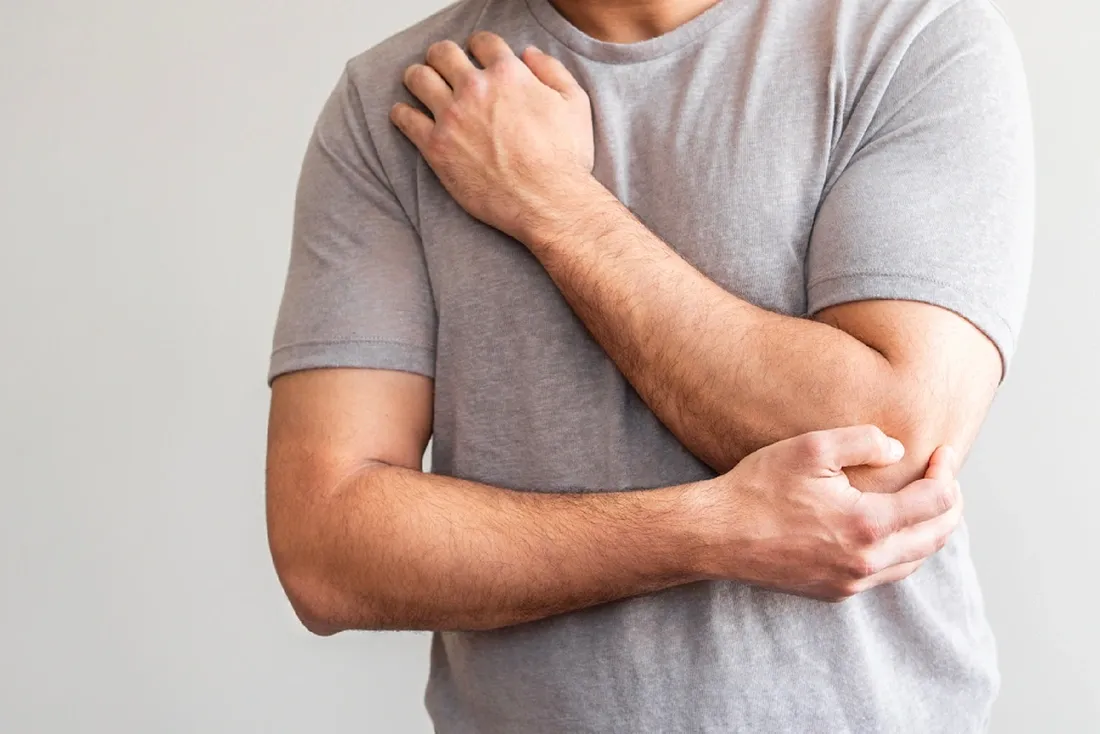
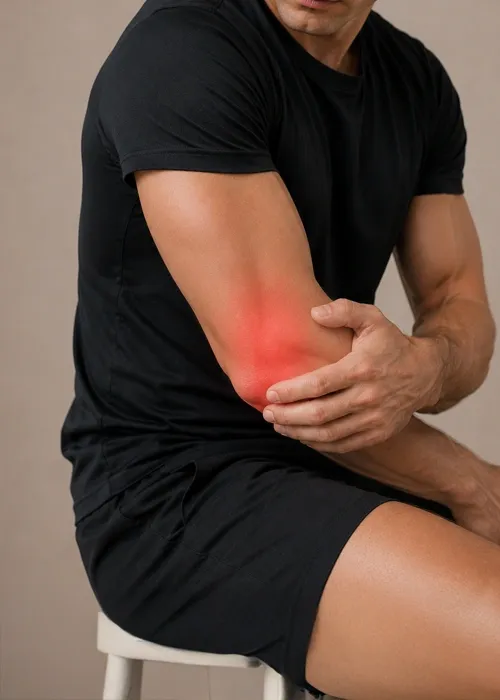
Tennis elbow, medically known as lateral epicondylitis, occurs when the tendons connecting the forearm muscles to the outer part of the elbow become irritated or weakened through overuse. These tendons help control wrist and finger movement, and repeated stress can cause small tears in the tissue, leading to pain and tenderness.
You may notice:
- A dull ache or burning sensation around the outer elbow
- Weak grip strength
- Discomfort that intensifies when you move your wrist or lift items
If left untreated, this condition can interfere with simple tasks such as shaking hands, carrying bags, or using a computer mouse. Seeking assessment and treatment early on can make recovery smoother and prevent chronic pain from setting in.
What Are the Common Causes and Risk Factors?
Despite the name, tennis elbow is not limited to athletes. Anyone whose daily routine involves repeated arm or wrist movements can be affected. Over time, small but continuous strain on the forearm muscles can lead to inflammation and tendon irritation.
Factors that increase the risk include:
- Repetitive wrist and forearm actions such as typing, painting, or carpentry
- Incorrect sports techniques or unsuitable equipment that overloads the tendons
- Occupations that involve frequent lifting or gripping of heavy tools
- Being between 30 and 50 years old, when tendon elasticity naturally decreases
How Is Tennis Elbow Diagnosed?
When you visit a tennis elbow doctor, the consultation usually starts with a thorough physical examination. The doctor will check for pain, tenderness, and strength in your forearm. To rule out other causes of discomfort, such as arthritis or nerve entrapment, imaging tests like X-rays or ultrasound may be recommended.
Tennis Elbow Treatment in Singapore
The majority of tennis elbow cases can improve with non-surgical treatment. The main goals are to reduce pain, promote healing, and restore normal function to the affected arm.
Treatment options include:
- Rest and Activity Modification: Reducing or avoiding repetitive actions gives the tendon time to recover. Adjusting how you perform certain movements can also help ease strain on the elbow.
- Physiotherapy: Specific stretching and strengthening exercises can improve flexibility and reinforce the muscles that support the joint.
- Bracing: An elbow strap or brace may help relieve pressure on the tendon, especially during work or sports.
- Medication: Anti-inflammatory medicines can ease pain and reduce swelling, particularly during the early stages of recovery.
- Shockwave Therapy or Injections: If symptoms persist despite initial care, these treatments can help stimulate tendon repair and relieve chronic discomfort.
In severe or persistent cases, surgery may be considered to remove degenerated tendon tissue and promote proper healing. Your doctor will discuss the best course of action based on the extent of tendon injury and your response to earlier therapies.
When to See a Tennis Elbow Specialist in Singapore
It may be time to consult a specialist if:
- The pain lasts for several weeks even after rest and self-care
- Daily activities such as lifting or gripping objects become difficult
- There is a history of repeated strain or previous elbow injuries
- You experience tingling or numbness in the hand or arm
A visit to a tennis elbow clinic in Singapore allows for a comprehensive assessment of your symptoms. The specialist can identify the underlying cause and develop a personalised treatment plan to support recovery and prevent further tendon injury.
Recovery and Prevention Tips
The recovery period for tennis elbow can vary depending on the severity of the condition and how promptly it is treated. With proper care and rehabilitation, most individuals regain full strength and mobility over time.
Preventive measures include:
- Warm up adequately before physical activity
- Use correct techniques when lifting or performing repetitive tasks
- Take regular breaks from prolonged computer or manual work
- Strengthen your wrist and forearm muscles with guided exercises
A visit to a tennis elbow clinic in Singapore allows for a comprehensive assessment of your symptoms. Schedule a consultation with our tennis elbow specialist for a detailed assessment and a personalised treatment plan to help restore strength, relieve pain and improve mobility.
Dr Seng Chusheng
Senior Consultant Orthopaedic Surgeon (Sports & Exercise Medicine)
MBBS (Singapore), MRCS (Edinburgh), MMed (Orth), FRCS (Edinburgh)
Dr Seng Chusheng is an orthopaedic surgeon in Singapore with a clinical focus on minimally invasive foot surgery, including bunions and other foot deformities. He has over 10 years of experience and adopts a patient-centred approach, tailoring treatment plans to individual clinical needs.
Before entering private practice, Dr Seng was a consultant orthopaedic surgeon at Singapore General Hospital, where he received the SingHealth Service With A Heart Award. He has also presented at orthopaedic conferences, including the American Academy of Orthopaedic Surgeons Annual Scientific Meeting.



Our Orthopaedic Clinic Locations
With three conveniently located clinics across Singapore, Dr Seng provides accessible and comprehensive orthopaedic care closer to where you live and work. Each location is equipped to deliver accurate diagnosis, treatment, and rehabilitation for a wide range of musculoskeletal conditions.
Medical Centre
#06-33
Singapore 329563
Medical Centre
#04-08
Singapore 427989
Medical Centre A
#03-08
Singapore 574623
Teleconsult Available
For foreign patients, a tele-consult on Zoom or WhatsApp can be done if pre-arranged in advance. Please email or WhatsApp first to enquire.
Opening Hours
Contact Details