







What Could Be Causing Your Heel Pain?

Heel pain is a common issue that can interfere with daily activities, from walking and standing to exercise and work. If the discomfort is persistent, especially during your first steps in the morning or after long periods on your feet, it may indicate an underlying condition that requires medical attention. This article outlines common causes of heel pain and discusses the treatment options available to help you regain pain-free mobility.
Understanding Heel Pain
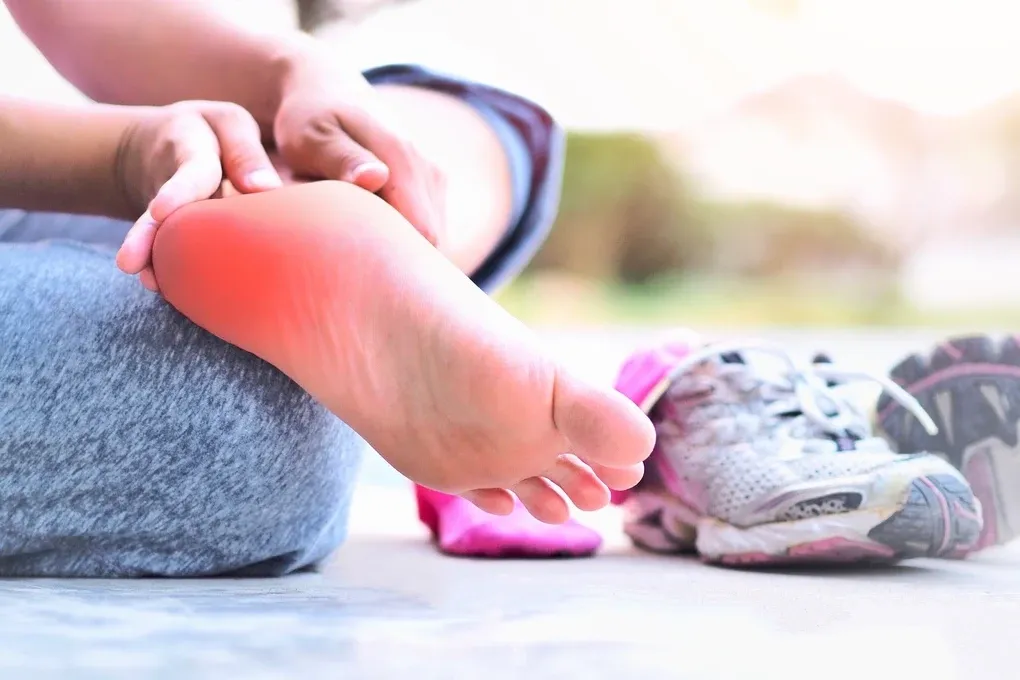
Heel pain is typically caused by stress or injury to the soft tissues in the foot, particularly around the heel bone (calcaneus). While plantar fasciitis is the most common cause, other conditions like Achilles tendinitis, heel spurs, or even nerve entrapment can also be responsible.
How Common is Heel Pain?
Heel pain is a common issue, with plantar fasciitis alone affecting roughly 1 in 10 people at some point in their lives. Chronic pain, including persistent heel discomfort, tends to be more prevalent among women and older adults. These trends highlight the importance of early diagnosis and timely treatment to prevent long-term complications.
Common Causes of Heel Pain
Heel pain often results from overuse, poor biomechanics, or underlying medical conditions. Common causes include:
1. Plantar Fasciitis
This is the leading cause of heel pain, especially among adults aged 40 to 60. It occurs when the thick band of tissue that runs along the bottom of your foot, known as the plantar fascia, becomes inflamed or degenerated. Symptoms include:
- Sharp, stabbing pain at the bottom of the heel
- Pain that is worse in the morning or after prolonged rest
- Discomfort after extended periods of standing or walking
Learn more about plantar fasciitis treatment at Axis Orthopaedic Centre.
2. Heel Spurs
These are bony growths that develop on the underside of the heel bone. While often painless on their own, heel spurs frequently accompany plantar fasciitis and can exacerbate pain. Common symptoms include:
- Sharp pain under the heel, especially when standing after rest
- Localised tenderness at the bottom of the foot
- Inflammation or swelling around the heel
- Pain that improves with activity but worsens after rest
3. Achilles Tendinitis
This is an inflammation of the Achilles tendon, located at the back of the heel. It is common in runners and individuals with tight calf muscles. Achilles tendinitis commonly causes symptoms like:
- Pain and stiffness along the back of the heel or lower calf
- Swelling or thickening of the Achilles tendon
- Tenderness that worsens with activity
- Morning stiffness or pain after prolonged inactivity
4. Nerve Entrapment
Compressed nerves around the heel, such as Baxter's nerve, can also result in pain that mimics plantar fasciitis. Accurate diagnosis is essential to ensure the right treatment approach. Nerve entrapment can cause symptoms such as:
- Sharp or burning pain on the inner side of the heel
- Pain that worsens with prolonged standing or walking
- Tingling or numbness in the heel or arch area
- Weakness or cramping in the foot muscles (in severe cases)
Risk Factors for Heel Pain
Heel pain is a frequent complaint that can affect individuals of all ages and activity levels. Several factors can increase your likelihood of developing heel pain:
- Flat feet or high arches
- Prolonged standing or walking
- Improper footwear
- Obesity or weight gain
- Tight calf muscles or Achilles tendons
When to Seek Medical Help
If you experience persistent heel pain that does not improve with rest, or if it begins to affect your mobility and quality of life, seek professional advice. Early treatment can prevent chronic pain and long-term complications.
Diagnosis and Treatment
A thorough clinical evaluation is the crucial first step in proper diagnosis, allowing for the identification of the underlying cause. Subsequently, treatment strategies are tailored to the specific diagnosis, frequently beginning with conservative management approaches before considering surgical options.
Conservative Treatments
Most patients respond well to non-surgical care, which focuses on reducing strain and inflammation and improving foot function. Common options include:
- Physiotherapy and targeted stretching
- Custom orthotics or supportive footwear
- Night splints to maintain foot alignment during sleep
- Shockwave therapy to promote healing
- Anti-inflammatory medications for pain relief
When Surgery Is Needed
If symptoms persist despite conservative treatment, surgery may be considered. Procedures vary depending on the condition and may include releasing the plantar fascia or correcting structural abnormalities. Surgery is typically a last resort, and when properly indicated, it can provide lasting relief and restore mobility.
Why Choose Dr Seng Chusheng at Axis Orthopaedic Centre?
Dr Seng is a fellowship-trained orthopaedic surgeon who specialises in foot and ankle surgery. He has managed a wide range of conditions affecting the lower limbs, drawing on years of clinical and surgical experience. His approach combines detailed clinical assessments, evidence-based treatments, and clear communication, so patients feel supported at each step of their recovery.

Dr Seng Chusheng
Senior Consultant Orthopaedic Surgeon (Sports & Exercise Medicine)
MBBS (Singapore), MRCS (Edinburgh), MMed (Orth), FRCS (Edinburgh)
Dr Seng Chusheng is an orthopaedic surgeon in Singapore with a clinical focus on minimally invasive foot surgery, including bunions and other foot deformities. He has over 10 years of experience and adopts a patient-centred approach, tailoring treatment plans to individual clinical needs.
Before entering private practice, Dr Seng was a consultant orthopaedic surgeon at Singapore General Hospital, where he received the SingHealth Service With A Heart Award. He has also presented at orthopaedic conferences, including the American Academy of Orthopaedic Surgeons Annual Scientific Meeting.



Our Orthopaedic Clinic Locations
With three conveniently located clinics across Singapore, Dr Seng provides accessible and comprehensive orthopaedic care closer to where you live and work. Each location is equipped to deliver accurate diagnosis, treatment, and rehabilitation for a wide range of musculoskeletal conditions.
Medical Centre
#06-33
Singapore 329563
Medical Centre
#04-08
Singapore 427989
Medical Centre A
#03-08
Singapore 574623
Teleconsult Available
For foreign patients, a tele-consult on Zoom or WhatsApp can be done if pre-arranged in advance. Please email or WhatsApp first to enquire.
Opening Hours
Contact Details